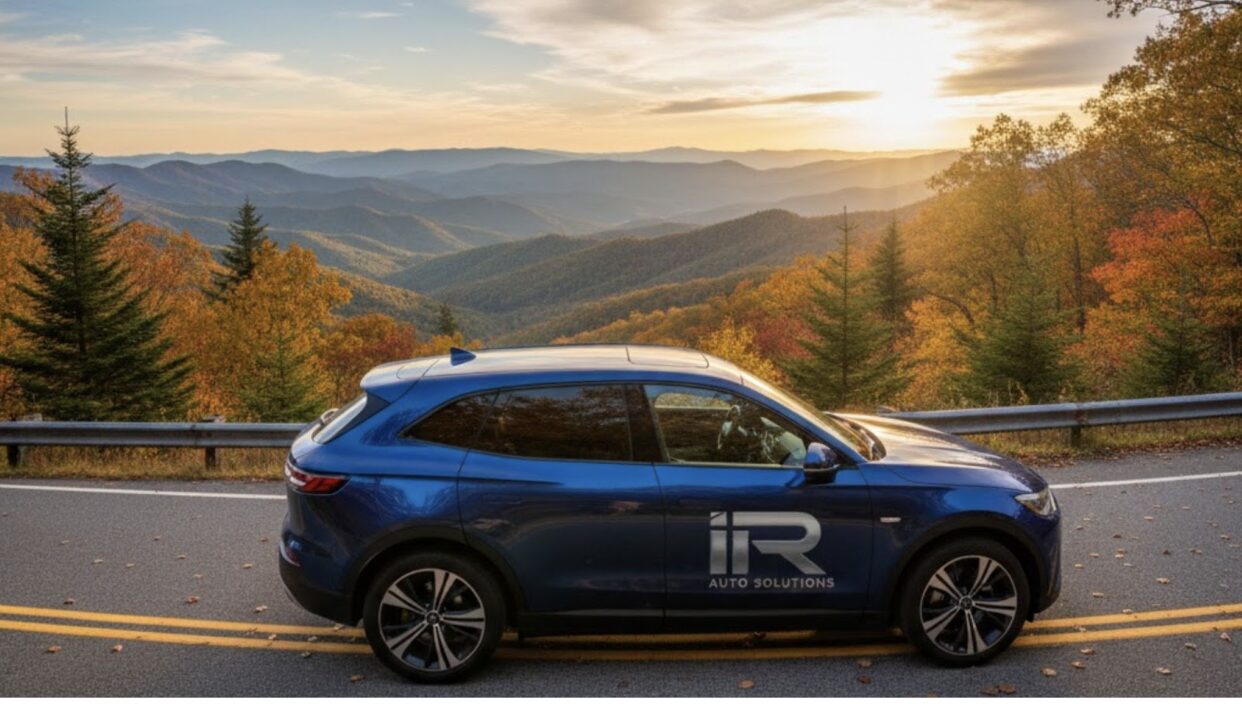
Driving through the beautiful Blue Ridge Mountains exposes your vehicle to a stunning landscape, but it also subjects your paintwork to unique challenges, from summer sun and tree sap to winter road salt and gravel. To keep your vehicle looking its best and shielded from these harsh elements, surface protection has evolved far beyond simple paste wax. When considering a Ceramic Coating Asheville, drivers can choose primarily between two leading types: the well-established Silicon Dioxide (SiO₂) formula, and the cutting-edge Graphene Oxide hybrid coating, both of which offer dramatically superior defense and gloss compared to older methods.
These modern protective layers are essentially advanced liquid polymers that chemically bond with your vehicle’s factory paint. Once cured, they form a hard, glass-like shield that protects the clear coat underneath. This clear shield is both hydrophobic, causing water to bead up and roll off, and resistant to most environmental contaminants. The resulting finish is a deep, rich gloss that is incredibly easy to maintain.
The primary differences between the available types lie in their base chemical composition, which dictates specific performance characteristics. For instance, SiO₂ coatings are known for their spectacular, crystal-clear gloss and intense water beading effects. Conversely, Graphene coatings are prized for their reduced tendency to acquire water spots and superior heat dissipation, making them excellent choices for darker colored vehicles that sit in direct sunlight.
Choosing the right type depends on your specific driving habits, your vehicle’s color, and your expectations for maintenance and lifespan. Understanding the technology behind each option is the first step toward securing the perfect solution for your investment. Both of these professional-grade products require meticulous application, which is why working with a certified expert is crucial for maximum benefit.
The application process is critical, as the protective layer is only as strong as the preparation work underneath it. Proper washing, chemical decontamination, and paint correction must be completed before the coating is applied. This ensures the chemical polymer bonds directly to a flawless surface, locking in that showroom finish for years to come.
Why Is Paint Protection Essential for Vehicles in the Mountain Regions of North Carolina?
The environment in Western North Carolina is particularly demanding on automotive finishes throughout the year, making robust protection an absolute necessity, not just a luxury. The constant fluctuation between high-humidity summers and freezing winters presents a severe challenge to your vehicle’s clear coat. If you are looking for long-term, superior defense for your car, investing in a high-quality Ceramic Coating Asheville service is the best decision you can make.
During the warmer months, intense ultraviolet (UV) radiation from the sun penetrates unprotected paint, leading to premature fading, oxidation, and a dull, chalky appearance over time. This process is accelerated in high-altitude environments where the air is thinner. A quality coating creates a powerful, impenetrable barrier that directly blocks these harmful UV rays, preserving the vibrancy of your original paint color.
Furthermore, the natural elements of the mountain climate, such as acidic bird droppings, sticky tree sap, and road tar, pose a constant threat. These contaminants can etch into an unprotected clear coat quickly, leaving permanent blemishes that often require professional machine polishing to remove. The slick surface of a cured coating prevents these materials from bonding to the paint.
When winter arrives, road maintenance crews in the region rely heavily on salt, brine, and gravel mixtures to manage icy conditions. This corrosive cocktail sticks to your vehicle and continuously attacks the paintwork and undercarriage. The chemical resistance offered by a professionally installed coating acts as a sacrificial layer against these corrosive materials, preventing them from reaching your factory finish.
Choosing paint protection is not just about keeping the car clean; it’s about asset preservation. A protected vehicle retains its rich color, resists the minor swirls and scratches that accumulate from washing, and maintains a significantly higher resale value. It is the ultimate shield against the wear and tear of daily mountain driving.
The Foundation: Silicon Dioxide (SiO₂) Coatings and Their Grades
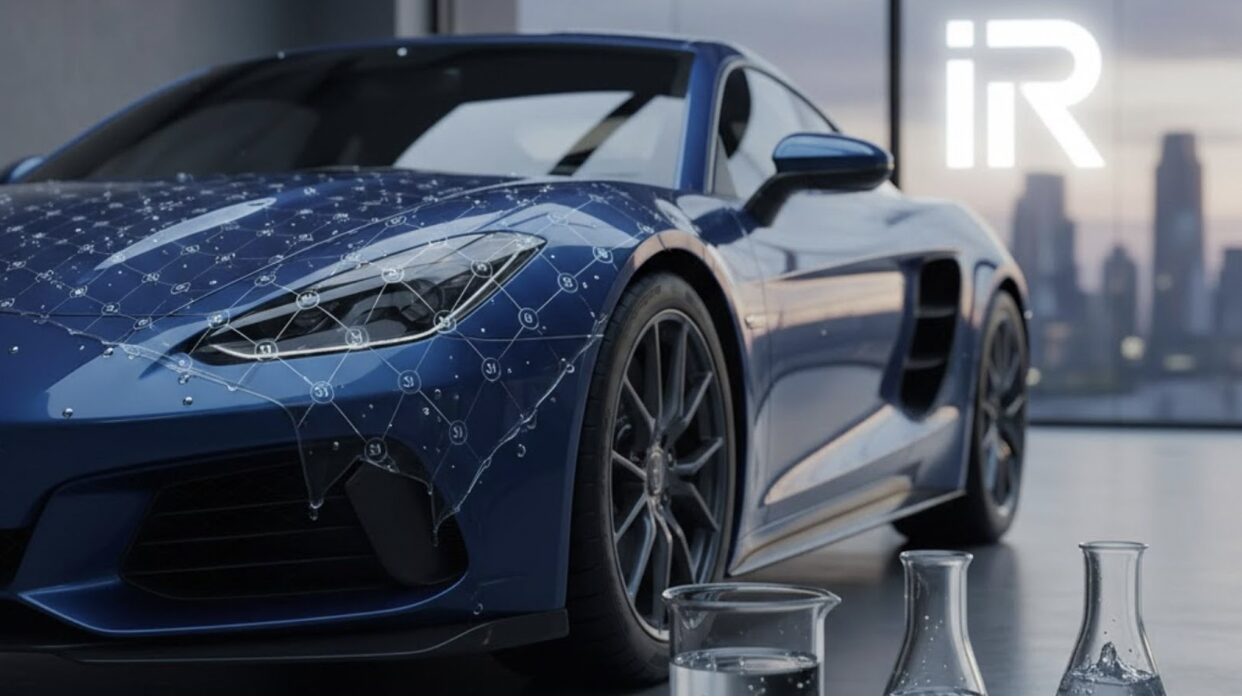
Silicon Dioxide, frequently referred to as silica, is the core chemical compound used in the vast majority of traditional automotive protection products. Derived from natural materials like quartz, SiO₂ is what gives ceramic coatings their characteristic glass-like hardness and impressive ability to repel water. This compound forms a permanent or semi-permanent bond with the paint when properly applied and cured.
The use of SiO₂ marked a revolutionary step up from the older, less durable paint protection methods. Unlike natural carnauba waxes or synthetic polymer sealants, which only sit on the paint surface and degrade quickly under harsh conditions, a ceramic coating integrates with the clear coat. This chemical bonding means the coating won’t wash away or break down after a few months, making it a true long-term solution. For drivers who are used to the temporary effects of conventional products, understanding the technological leap is key. You can find out more about the performance difference between these options by visiting the Ceramic Coating vs. Wax and Sealants resource.
Understanding the 9H Hardness Rating
When researching protective coatings, you will inevitably encounter the term “9H” hardness. This number refers to the Mohs scale of mineral hardness, a non-linear scale used to measure resistance to scratching. On this scale, talc is 1H and diamond is 10H. The 9H rating indicates that the cured coating offers exceptional resistance to surface scratches and swirl marks caused by improper washing techniques or minor contact.
It is important to manage expectations, however. While a coating with a 9H ceramic coating Asheville hardness is extremely durable, it does not make your car entirely scratch-proof. It provides a sacrificial layer that minimizes the appearance of minor defects and significantly reduces the risk of marring, but it cannot prevent damage from rock chips or deep keys. The hardness rating is a powerful metric for comparing the resilience of different coating brands.
The 9H layer functions by increasing the surface tension of the paint, which makes it incredibly slick and resistant to abrasion. This means that everyday brushes and towels encounter less friction, allowing them to glide over the surface more smoothly during washing. This reduction in friction is one of the primary reasons why these coatings help prevent common wash-induced swirl marks from forming.
Professional vs. Consumer Formulations
Not all silicon dioxide coatings are created equal; a significant difference exists between products available for consumer application and the professional-grade solutions applied by certified shops. The key differentiator is the concentration of the active ingredients. Professional coatings often contain over 80% SiO₂, along with specialized solvents and carriers.
These high-concentration formulas create a much thicker, more durable layer that cures with superior hardness and longevity, often lasting five years or more. However, they are also challenging to apply, requiring a precise climate-controlled environment and expert technique to “level” the coating correctly before it hardens. Consumer products, by contrast, are typically less concentrated and much more forgiving during application, but they offer shorter lifespans, usually ranging from 6 to 18 months.
The complexity of professional-grade products also includes a multi-stage curing process that is critical for maximizing performance. The coating is vulnerable during the immediate phase (the first 24 hours) and must remain perfectly dry. It undergoes an initial cure over the next 48 hours, but it doesn’t reach its maximum, permanent hardness until the complete cure, which can take anywhere from seven to fourteen days.
Beyond Silica: Exploring Advanced Coating Technologies
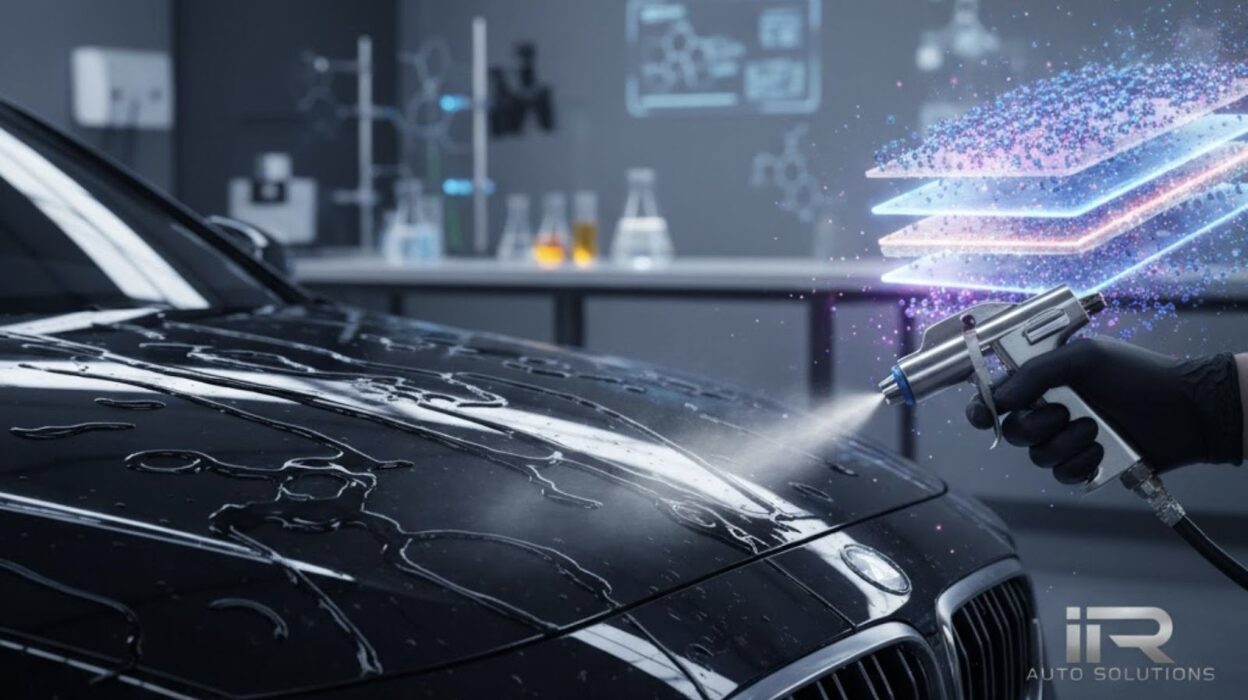
The protective film industry is always advancing, and the latest evolution of surface technology introduces elements like graphene. While often referred to as a “graphene coating,” these are technically hybrid formulations built upon the foundation of existing ceramic technology. They take the proven durability of SiO₂ and infuse it with a minute amount of graphene oxide, unlocking new levels of performance.
Graphene is a revolutionary material composed of a single, atom-thick layer of carbon atoms arranged in a hexagonal, honeycomb lattice. It is recognized as one of the strongest and thinnest materials known to science, possessing exceptional tensile strength and superior thermal conductivity. When introduced into a traditional ceramic liquid, it dramatically alters the physical properties of the cured coating.
What is Graphene Oxide Technology?
The key benefit of incorporating the carbon-based structure of graphene into a coating lies in its ability to manage water and heat better than pure ceramic. The graphene lattice reduces the surface energy of the coating, making the surface exceptionally slick and highly anti-static. This specialized chemistry is what gives the graphene coating an edge in specific environmental conditions. When considering a graphene vs ceramic NC application, the climate factors heavily into the choice.
The anti-static property is a major advantage for daily drivers in environments with high dust or pollen counts, such as North Carolina during the spring. By resisting the electrical charge that attracts airborne contaminants, the coating actively repels dust and dirt, helping the vehicle stay cleaner for a significantly longer period between washes. This makes routine maintenance much faster and easier.
Graphene Benefits and Performance
One of the most notable advantages graphene provides is a superior resistance to hard water spotting. Traditional SiO₂ ceramic coatings, while highly effective, can be prone to developing mineral deposits if hard water is left to dry on the surface in direct sunlight. Graphene’s unique ability to dissipate heat quickly across the surface helps to mitigate this issue.
Because graphene is such an effective thermal conductor, it reduces the surface temperature slightly. By keeping the panel cooler, the rate at which water evaporates is slowed down. This gives the owner a longer window to safely dry the vehicle and reduces the chance of minerals bonding to the surface. It is a subtle but significant benefit for those who don’t have immediate access to a shaded drying spot.
Furthermore, the incredible flexibility of the single-atom-thick carbon structure adds a slight increase in resistance to cracking or chipping. While both coating types are very hard, the microscopic flexibility of the graphene hybrid makes it more resilient to the minor temperature changes and vibrations that occur during driving. This contributes to the overall enhanced durability of the coating.
Graphene coatings are also known for producing a different, equally impressive visual depth. While traditional ceramic provides a bright, crisp, glass-like reflection, graphene tends to create a slightly darker, richer, and slicker aesthetic. It imparts a noticeable depth to the vehicle’s color, which is particularly striking on darker shades like black, navy, and deep metallic gray.
Hybrid and Specialized Formulations
Beyond the main SiO₂ and Graphene categories, the market also includes highly specialized coatings designed for specific vehicle parts. These products utilize variations of the base polymers to optimize performance for different substrates. For example, formulas designed for glass have different molecular structures to maximize water sheeting without interfering with wiper blades.
Wheel and caliper coatings are specifically engineered to withstand extremely high temperatures and resist the corrosive effects of intense brake dust. Interior coatings are typically polymer-based products designed to protect leather from UV fading and cracking, and to create an impermeable layer on textile surfaces to repel spills and stains. These specialized formulations ensure every part of your car receives targeted protection.
| Feature | Standard SiO₂ Ceramic Coating | Graphene Hybrid Coating |
| Core Composition | Silicon Dioxide (SiO₂) | SiO₂ + Graphene Oxide |
| Water Spot Resistance | Good; requires prompt drying | Excellent; lower heat retention |
| Heat Dissipation | Moderate | Superior; disperses heat faster |
| Anti-Static Properties | Low | High; actively repels dust/pollen |
| Aesthetic/Gloss | Crisp, glass-like, high reflection | Darker, richer, slicker appearance |
| Longevity | 2-5 Years (Professional Grade) | 5-7+ Years (Professional Grade) |
The Installation Process: Why Expertise Matters for Maximum Protection
The true longevity and performance of any high-quality coating are directly tied to the preparation and application process. Even the most advanced product will fail prematurely if applied over contaminated or damaged paint. This is why professional installation is arguably more important than the product itself.
The preparation phase, known as paint correction, is non-negotiable for a professional installation. It involves several meticulous steps:
- Washing and Decontamination: A thorough multi-stage wash removes loose surface dirt, followed by chemical decontamination to remove embedded iron particles and tar, and a physical decontamination (clay bar) to pull out any remaining environmental debris.
- Polishing and Correction: This is the most crucial step. Using a machine polisher, a skilled technician removes existing swirl marks, fine scratches, and oxidation that have accumulated over the vehicle’s life. The goal is to create a near-perfect, smooth surface for the coating to bond to.
- Panel Wipe and Surface Prep: The final prep involves wiping every surface with a specialized solution to remove all polishing oils and residue. This leaves the paint clinically clean, allowing the coating to form a direct, permanent chemical bond with the clear coat.
The application of the coating itself is a detailed, focused procedure. The liquid is applied in small sections, allowed to “flash” (partially cure), and then carefully leveled or “buffed” off the surface. If this step is rushed or done incorrectly, excess product can be left behind, resulting in visible “high spots” or streaking that are extremely difficult to remove once fully cured. Learning how to identify the Signs of Bad Ceramic Coating Work is important for all car owners.
The expertise of the installer ensures that the coating is applied evenly, layered correctly if desired, and cured under optimal climate conditions. This attention to detail guarantees the full five-to-seven-year performance life of the product. The environment must be dust-free, and temperature and humidity must be carefully monitored throughout the application and initial curing period.
How Do Professional Grade Coatings Compare to Store-Bought Kits?
The market is flooded with consumer-grade spray products that are marketed as “ceramic” or “graphene,” but they are fundamentally different from professional-grade, highly concentrated coatings. While consumer sprays offer temporary hydrophobic effects and a light gloss, they are sealants that typically contain a much lower percentage of active Silicon Dioxide.
The key distinction lies in the molecular strength of the bond and the thickness of the final cured layer. Professional products form a semi-permanent bond, meaning they can only be removed through mechanical abrasion (like machine polishing). They create a thick, measurable layer of protection. Store-bought kits, on the other hand, form a temporary, weak bond that quickly degrades, usually lasting only a few months before reapplication is needed.
The complexity of professional-grade chemicals necessitates certified installation. These products are often so potent that improper application can lead to permanent damage to the paint. Certified installers, like the team at IR Auto Solutions, undergo extensive training with specific product lines to understand their flash points, leveling times, and correct curing requirements. This certification is often required to issue the manufacturer’s official, multi-year warranty.
A certified application means more than just a better product; it means guaranteed results. When you choose a reputable professional, you are not just purchasing a bottle of liquid; you are investing in a comprehensive package. This includes the guarantee of multi-stage paint correction before application, proper environmental controls, and a five or ten-year warranty backed by the coating manufacturer.
Customizing Protection: Coating Specific Vehicle Surfaces
A comprehensive paint protection package extends far beyond just the body panels of your car. Modern formulas have been engineered to protect virtually every exterior and interior surface. This approach ensures a consistent level of defense against contaminants across the entire vehicle, maximizing ease of cleaning and longevity.
Protecting Wheels and Calipers
Your wheels and brake calipers face the most extreme conditions on your car. They are constantly subjected to immense heat from braking and are perpetually covered in corrosive, hot brake dust. This environment quickly damages unprotected alloy wheels, leading to pitting and premature wear.
Specialized wheel and caliper coatings are formulated with an even higher thermal tolerance than standard paint coatings. They create a super-slick barrier that prevents brake dust from adhering to the surface. Instead of baking onto the wheel, the dust simply rests on the surface and washes away effortlessly with a hose. This dramatically reduces the need for harsh wheel cleaners, which can often harm the finish.
Glass, Trim, and Interior Surfaces
The glass on your vehicle also benefits greatly from a targeted coating application. Glass-specific coatings are engineered to create a super-hydrophobic effect, causing rainwater to bead instantly and sheet off the windshield, particularly at driving speeds above 40 mph. This significantly improves visibility during heavy rain and reduces the necessity of using your wipers. You can review all the options for glass and exterior protection, and see how they influence the final price, by checking out our resource on the Ceramic Coating Cost in Asheville.
Additionally, dedicated coatings can be applied to exterior plastic and rubber trim, preventing them from fading or oxidizing due to UV exposure. On the interior, formulas designed for leather and vinyl keep seats supple and resistant to friction and dye transfer from clothing. Textile coatings are applied to carpets and fabric seats, making them resistant to spills and common stains, keeping the cabin fresh and easy to maintain.
Understanding the Investment and Longevity
The initial cost of professional-grade protection is higher than traditional waxing, but it represents an investment in long-term preservation and reduced maintenance costs. The total price is heavily influenced by three main factors: the size and complexity of the vehicle (a small sedan versus a large SUV), the current condition of the paint (how much paint correction is needed), and the type and number of coating layers applied.
A multi-year, professional application eliminates the need for repeated waxing or sealing, which can save the average owner hundreds of dollars per year and dozens of hours of maintenance time. The coating’s durability ensures your vehicle retains a high level of gloss and protection 24/7, year-round, regardless of the weather. This constant, robust defense is the primary source of the coating’s value.
For those concerned about pushing the limits of durability, some of the most advanced coatings may incorporate an additive like silicon carbide to further increase the hardness and chemical resistance. Silicon carbide is an extremely tough material that helps the coating withstand even harsher environmental attacks and high-pressure washing. This type of formulation is often used in the most premium, lifetime-warranted packages.
The primary chemical base, whether pure SiO₂ or Graphene hybrid, determines the product’s expected performance window under real-world conditions. While the most concentrated formulas are advertised with long lifespans, actual durability is always dependent on the owner’s commitment to simple, regular maintenance.
| Coating Type | Expected Longevity (Pro Grade) | Primary Benefit | Maintenance Requirement |
| SiO₂ Ceramic | 2-5 Years | Exceptional Gloss & Clarity | Regular pH-neutral washing, annual booster |
| Graphene Hybrid | 5-7+ Years | Water Spot & Anti-Static Resistance | Regular pH-neutral washing, annual inspection |
| Specialized (Wheels/Glass) | 1-2 Years | Extreme Heat/Chemical Resistance | Targeted cleaning with mild solutions |
Maximizing Your Coating’s Lifespan
The durability of professional coatings is often warrantied for five years or more, but the reality is that the coating is designed to last a very long time if basic care is followed. If you want to maximize the performance window, you need to be deliberate about how you maintain the finish. You can learn more about how to get the most out of your product by reading about Ceramic Coating Longevity in Asheville.
The main enemy of any protective film is aggressive friction and highly acidic or alkaline chemicals. This includes automatic car washes with harsh brushes and strong cleaning agents, which should be avoided entirely. Likewise, using household cleaning products or heavy degreasers on the paint will break down the coating’s molecular structure over time.
For maximum confidence and warranty validation, most professional coatings require an annual maintenance inspection. During this short service, the technician will chemically decontaminate the surface to remove any stubborn mineral buildup and apply a dedicated “booster” topcoat. This process revitalizes the hydrophobic properties and ensures the coating continues to perform at its peak for the entirety of its warranted lifespan.
Can a Ceramic Coating Be Applied Over Paint Protection Film (PPF)?
Absolutely, and this is considered the ultimate level of surface defense available in the automotive protection industry. Paint Protection Film (PPF), often called “clear bra,” is a much thicker, self-healing, clear urethane film. It is designed to be the primary defense against physical impacts, such as rock chips, deep scratches, and road debris.
The ceramic coating and PPF combination work synergistically, offering layered protection. Since the PPF is designed to absorb impact, it is typically applied to high-impact areas like the front bumper, hood, fenders, and side mirrors. The ceramic coating is then applied over the top of the entire vehicle, including the PPF itself.
When applied over the film, the ceramic or graphene coating doesn’t add more impact protection, but it does significantly enhance the surface qualities. It provides that intense hydrophobic effect and high gloss, making the PPF dramatically easier to clean and improving its resistance to staining from environmental contaminants. This combined approach protects against both mechanical damage (PPF) and chemical degradation (Coating).
Maintenance: Caring for Your Protected Finish
Maintaining a vehicle with a protective coating is remarkably simple and requires far less effort than waxing, but it does require adherence to specific guidelines. The main goal of maintenance is to ensure the coating’s surface remains contaminant-free so that its hydrophobic properties can continue to function at their best.
The core principle is using a dedicated, pH-neutral car wash shampoo. These products are specifically formulated to clean the surface effectively without attacking the chemical structure of the coating. You should use the two-bucket wash method with high-quality microfiber wash mitts to minimize contact friction, further reducing the risk of introducing swirl marks.
In between full washes, a ceramic-specific detail spray or “booster” can be used to quickly remove light dust and fingerprints. These boosters typically contain a small amount of SiO₂ and act as a temporary top-up, improving the slickness and maintaining the extreme water beading effect. Using a booster every few months is an easy way to ensure peak performance.
The anti-static properties of the newer graphene-infused coatings also contribute significantly to the ease of maintenance. Because they actively repel dust and airborne particles, less effort is required during the wash process. This is particularly helpful for drivers who prefer to hand wash their vehicles and want the process to be as quick and simple as possible.
What is the real difference between ceramic and graphene coatings for a daily driver?
For the average daily driver in the mountains of Western North Carolina, both ceramic and graphene coatings offer robust, long-term protection, but graphene coatings present a notable advantage in two specific areas: resistance to hard water spots and superior anti-static properties. Since many drivers in this region park outside or deal with frequent rain, these distinctions are important.
While both products create an incredibly glossy and protective shield, graphene’s unique ability to disperse heat means that when water evaporates, it does so more evenly and slowly. This leaves less opportunity for mineral deposits, which are the culprits behind unsightly water spots. This makes the graphene option a slightly more forgiving choice for vehicles frequently exposed to rain and sun, or for owners who cannot always dry their car immediately after washing. The experts at IR Auto Solutions can guide you through the process of determining which coating best fits your lifestyle. This personalized consultation is what truly sets a professional service apart.
The anti-static feature of graphene is especially appealing for owners of dark-colored cars. Dark finishes tend to attract and showcase dust more readily than lighter colors. The anti-static barrier helps to mitigate this effect, ensuring the car remains visually cleaner for a longer period between washes. Both are exceptional, but graphene offers that subtle performance edge.
Ultimately, the choice comes down to personal priorities. If your main goal is a classic, crisp, glass-like reflection with excellent protection, a high-quality ceramic product will be perfect. If you prioritize maximum resistance to water spots and dust, and want the absolute longest possible durability, the advanced graphene hybrid is often the recommended upgrade. For detailed, professional application of either product, look no further than IR Auto Solutions.
Frequently Asked Questions (FAQs)
Is a ceramic coat worth it?
A professional-grade coating is definitely worth the investment for any owner who intends to keep their vehicle for more than two years or who wants to preserve its long-term aesthetic and resale value. The coating acts as a permanent, high-level shield against environmental damage, oxidation, and chemical etching, all while drastically simplifying the washing process. Compared to the continuous cycle and expense of waxing, a single professional application is more cost-effective over its warranted lifespan.
How long does ceramic coating last in extreme weather?
A professionally applied coating is designed to withstand extreme weather conditions, including the intense UV rays of summer and the corrosive road salts of winter. On average, a high-quality, multi-layered ceramic coating will last between two and five years, and a graphene hybrid coating will last five to seven years or more, even with constant exposure to North Carolina’s varied climate. Proper maintenance, including annual inspections, is essential to achieve the maximum lifespan.
What happens if I don’t maintain my coated vehicle?
If a coated vehicle is neglected, the coating will not “wash off,” but its performance will be diminished. Environmental contaminants, mineral deposits, and excessive grime will build up and eventually start to mask the protective qualities. The hydrophobic effect will weaken, making the car harder to clean, and the surface will lose some of its brilliant gloss. The coating remains on the paint, but a decontamination wash is needed to restore its slick, easy-to-clean properties.
Can ceramic coatings fix paint scratches?
No, ceramic coatings cannot fix existing paint damage; they are solely a form of transparent protection. The coating will lock in whatever condition the paint is in before application. This is why the paint correction process is so critical. Any swirl marks, scratches, or oxidation must be professionally polished out of the clear coat before the protective film is applied. The coating’s role is to prevent new defects from forming, not repair old ones.
How long does the application process take?
The duration of a professional application is heavily dependent on the size of the vehicle and the amount of paint correction required. Typically, a high-quality, comprehensive service takes anywhere from one to three days. This timeline accounts for the thorough multi-stage washing and decontamination, the required multi-step paint correction process, the application of the coating itself, and the crucial 12-24 hour initial cure time needed before the vehicle can be safely released to the owner.
Final Words
In summary, choosing the right product—whether it’s a high-grade SiO₂ ceramic or a next-generation Graphene hybrid—is a decision that will reward you with years of simplified maintenance and enhanced vehicle appearance. The right Ceramic Coating Asheville product for your car, paired with expert installation, means spending less time cleaning and more time enjoying the drive. We encourage you to contact us directly to discuss your vehicle’s specific needs and to schedule a consultation.