Ceramic Coating Asheville offers a long-lasting, high-performance option for protecting your vehicle’s paint, but deciding whether it’s the right fit depends on how you use your car, how much maintenance you want to do, and what results you expect. From Sunday-showroom gloss to year-round defense against UV, bird droppings, and industrial fallout, each protection method brings different strengths and trade-offs. This guide walks through the science, real-world benefits, application considerations, cost-effectiveness, and maintenance strategies so you can make a confident choice for your vehicle in Asheville and beyond.
What is the difference between ceramic coating, wax, and paint sealant?
Ceramic coatings are liquid polymers—often SiO2 (silicon dioxide) or hybrid SiO2/TiO2 formulations—that chemically bond with the factory clear coat to form a thin, durable layer. This bonded layer hardens into a glass-like shell that increases gloss, improves hydrophobicity, and resists UV, chemical etching, and light abrasion. Unlike wax or traditional sealants, ceramic coatings don’t simply sit on top of the clear coat; they form a microscopic bond, which is why their longevity and resistance are superior.
Waxes are typically natural or blended organic compounds such as carnauba or beeswax. They sit on top of the paint as a sacrificial layer that provides warm depth and an immediate “wet” gloss appearance. Wax is beloved for its visual warmth and ease of reapplication, but it’s short-lived and vulnerable to heat, detergents, and environmental fallout. Waxing is ideal for owners who enjoy hands-on detailing and want that classic, deep shine for a short period.
Paint sealants are synthetic polymer blends engineered to mimic some benefits of wax with better durability. They form a semi-permanent film that bonds to the clear coat more effectively than wax, producing a slick surface, improved gloss, and water repellency that lasts several months. Sealants are a practical middle ground: more resilient than wax and much less expensive and easier to reapply than a professionally installed ceramic coating.
How long does each option last and what influences their longevity?
Ceramic Coating Asheville lasts significantly longer than traditional protective products when applied and maintained correctly. Entry-level consumer ceramic sprays might promise six to twelve months, while professionally applied, high-quality ceramic coatings commonly last two to five years or more depending on the formulation and top-coat systems used. Durability depends on the coating’s SiO2 concentration, the presence of cross-linkers, correct surface prep, and post-application cure time.
Paint sealants generally protect for three to twelve months. The exact period depends on product chemistry, environmental exposure, and how the vehicle is used and washed. Some modern polymer sealants include additives that extend life toward the upper part of that range, especially if topped up with booster products.
Waxes provide the shortest life: typically four to eight weeks for many consumer paste or liquid waxes and somewhat less for spray waxes. Frequent exposure to sunlight, road salt, high-speed highway driving, and automatic car wash brushes accelerates degradation.
Externally, UV exposure, acidic pollutants, bird droppings, tree sap, and improper cleaning chemicals all shorten the life of any protection. Internally, poor surface prep—leftover polish haze, contaminants, or paint defects—reduces bonding strength for coatings and the adhesion of sealants.
Which option provides the best protection against scratches, swirls, and chemical etching?
Ceramic coatings offer the best chemical resistance and improved scratch resistance at a micro-scale. They are harder than wax or sealant films and reduce the visual impact of light swirl marks by forming a more uniform reflective surface. Ceramic coatings are not scratch-proof; they are abrasion-resistant. Significant scratches still penetrate the coating and the clear coat beneath, but minor marring from daily contact is less likely to etch the finish.
Paint sealants are somewhat resistant to light scratches but do not provide the hardness of ceramic ceramics. They protect against chemical etching better than wax but cannot match the degree of protection ceramic coatings deliver against acid rain, bug splatter, and bird droppings.
Waxes protect by sacrificial coverage: contaminants cling to the wax layer instead of the paint. That means wax can minimize tiny surface marring and early oxidation but fails quickly under aggressive chemical exposure. Wax will wash away, leaving paint vulnerable.
Hydrophobic behavior and ease of cleaning: which one works best?
Hydrophobicity—the ability of water to bead and roll off a surface—is one of the most tangible benefits people notice after a ceramic coating. Ceramic Coating Asheville products generally produce superior water beading and sheeting due to the low surface energy of cured SiO2 films. That results in easier cleaning, less water spotting, and a semi “self-cleaning” effect where light dirt slides off during rain or a rinse.
Paint sealants also create a slick surface that helps water bead and makes washing simpler than on bare paint, but the effect diminishes over time. Wax produces water beading initially, but because it wears off fast, the hydrophobic benefits are short-lived.
From a maintenance perspective, ceramic coatings reduce the frequency and effort of washing, but they demand a different cleaning approach: pH-balanced shampoos, non-abrasive tools, and periodic maintenance sprays or booster products designed for coatings help retain hydrophobicity and gloss.
How do appearance and gloss differ between wax, sealant, and ceramic coating?
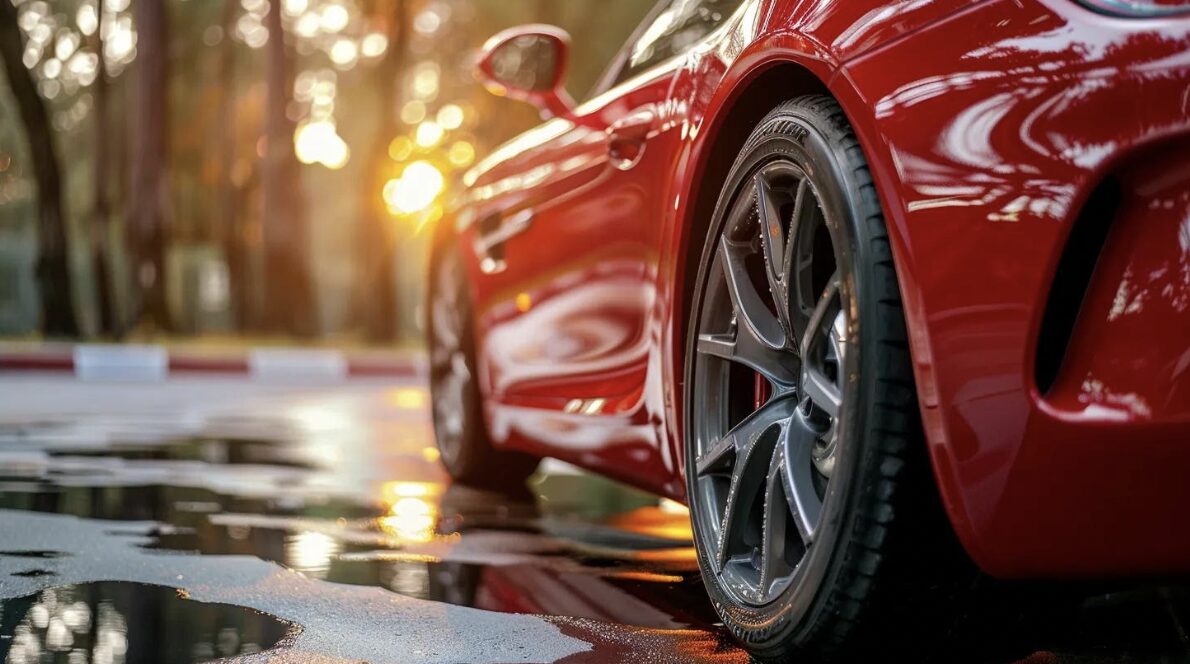
Wax is famous for the warm, deep glow it adds to paint, especially on dark colors. It enhances paint depth and gives a soft, luxurious finish that many show-car enthusiasts prefer for short-term presentation.
Sealants provide a clear, crisp shine that emphasizes gloss more than warmth. They render a glassy look that’s attractive and long-lasting compared to wax.
Ceramic coatings produce deep, reflective gloss that can outshine sealants when correctly applied because the cured ceramic layer creates a uniform, polished surface that amplifies color clarity and reflectivity. The look is typically more crystalline and sustained versus wax’s transient warmth.
Cost comparison and return on investment
Initial cost varies widely: professional ceramic coating installation ranges from a few hundred dollars for entry-level coatings to several thousand for multi-layer, high-end ceramic protection packages with paint correction included. The investment is higher up-front but often justifiable when you consider extended durability, time saved on maintenance, and preserved resale value.
Paint sealants are mid-range in cost and are a budget-friendly option for owners who want lower-maintenance protection without the ceramic price tag. Waxes are the least expensive per application but incur recurring costs due to frequent reapplication and the time required to maintain the look.
Economically, ceramic coatings can be cost-effective over multiple years compared to the recurring expense of wax or monthly sealant applications. For someone who values long-term paint preservation and reduced detailing time, Ceramic Coating Asheville often returns value across the coating’s lifespan.
Application complexity and preparation requirements
Surface preparation is the decisive factor for successful long-term protection. Ceramic coatings demand thorough paint correction, decontamination (clay bar or equivalent), and isopropyl alcohol wipe-downs to remove oils and polish residues. Professional installers will machine-polish paint defects and ensure the surface is 100% ready for bonding. Ceramic coatings also require strict environmental conditions for proper cure, plus post-application no-wash windows.
Paint sealants and waxes are forgiving in comparison: they usually require a clean surface but tolerate minor polish residues. Wax can be applied by hand or machine with minimal prep. Sealants require more attention than wax but far less than a ceramic regimen.
For durability and warranty reasons, if you want the coating to deliver promised results, professional application is recommended for ceramic coatings. DIY ceramic spray toppers exist and offer incremental benefits, but they don’t substitute professionally cured, factory-grade ceramic systems.
Maintenance routines for each protection type
Ceramic coatings simplify routine upkeep: wash with a pH-neutral shampoo, use the two-bucket method, avoid automatic brush car washes, and employ a dedicated microfibre drying towel. Periodic maintenance sprays formulated for ceramics restore hydrophobicity and fill microscopic surface voids; annual inspections and potential re-coating of vulnerable areas help preserve the layer.
Paint sealants need periodic reapplication every three to twelve months depending on product and exposure. Maintenance includes similar washing techniques and occasional clay-bar or light polish if contaminants accumulate.
Wax maintenance is frequent—typically monthly or sooner for heavily used vehicles. Washing and re-waxing is part of the ritual for show cars and classic vehicle preservation.
Environmental considerations and local climate impact
Asheville’s mixed climate—sunny summer days, wet seasons, and varying pollen and tree sap—makes durable protection a practical choice. Ceramic Coating Asheville performs well in variable climates because of excellent UV resistance and hydrophobic properties that help resist tree sap, pollen, and grime accumulation. For drivers who park outdoors or face heavy road salt in winter months, ceramic coatings delay oxidation and color fading more effectively than wax or sealants.
Paint sealants provide reasonable defense for temperate weather and moderate pollution levels. Wax’s limited lifespan means frequent reapplication in climates with heavy pollen, frequent rain, or winter road chemicals.
Common misconceptions to clear up
It’s important to address myths that can mislead consumers. First, ceramic coatings are not a “one-and-done” miracle; they significantly reduce maintenance but do not remove the need for washing or inspection. Second, ceramic coatings are not impervious to scratches and do not protect against major impact or stone chips. Third, while many ceramic coatings add gloss and slickness, the “deepest” color enhancement some users attribute to wax is often a perception driven by wax’s refractive index and surface oils; ceramic coatings achieve clarity differently, by creating a more uniform reflective layer.
Choosing the right option based on ownership style
If you enjoy detailing your car weekly and want a warm, show-car finish before events, wax may be the right choice. If you want a low-effort, mid-term solution with a high gloss and fewer reapplications, paint sealants are a pragmatic compromise. If you prioritize long-term protection, UV resistance, time savings, and sustained high gloss—especially for higher-value or daily-driven vehicles—Ceramic Coating Asheville is the superior investment.
The science behind ceramic coatings: SiO2, TiO2, and hydrophobic chemistry
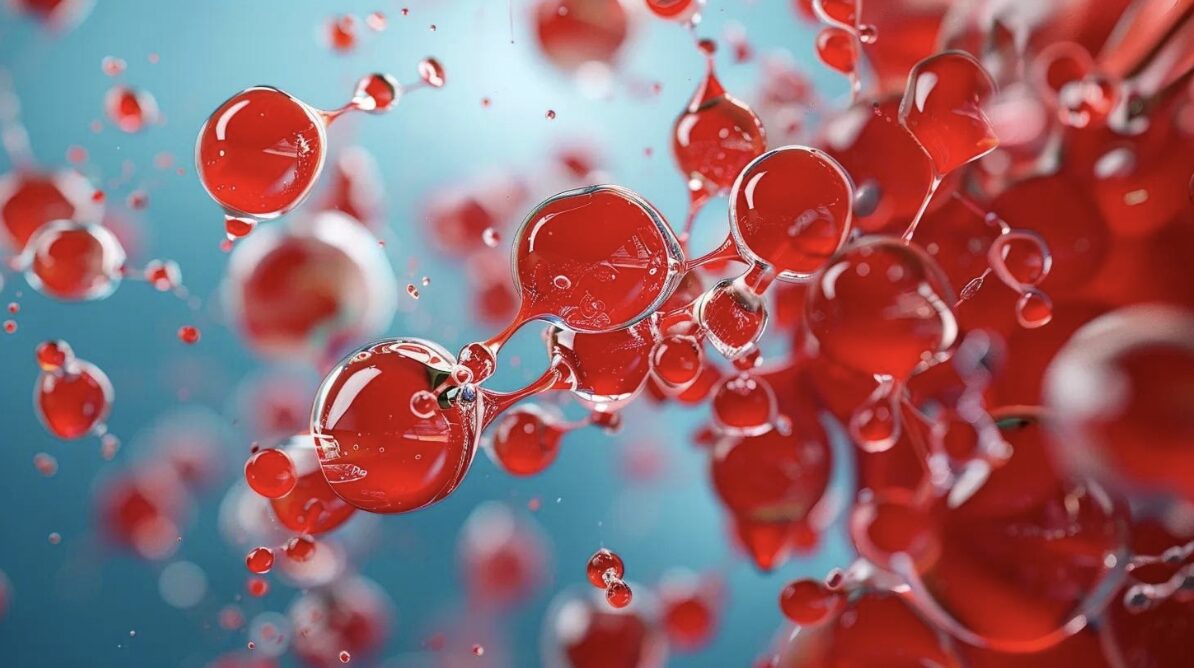
Ceramic coatings achieve their properties via inorganic silicon compounds that create a cross-linked network after curing. SiO2 provides hardness and chemical resistance; some formulations include TiO2 for additional catalytic properties and enhanced UV stability. The cured film’s low surface energy yields hydrophobicity, while the glass-like hardness resists chemical etching and abrasion better than organic wax layers.
Correct application requires attention to dwell times and controlled cure conditions. Improper application—too-thick layers, inadequate leveling, or premature exposure to water—can leave streaks, high spots, or uneven gloss.
Quick feature comparison
| Feature | Wax | Paint Sealant | Ceramic Coating |
|---|---|---|---|
| Typical Lifespan | 4–8 weeks | 3–12 months | 1–5+ years |
| Chemical Resistance | Low | Medium | High |
| UV Protection | Low | Good | Excellent |
| Hydrophobicity | Moderate (short-lived) | Good | Excellent |
| Application Difficulty | Easy | Moderate | Moderate to Advanced |
| Cost (Initial) | Low | Moderate | High |
| Maintenance Frequency | High | Moderate | Low to Moderate |
Real-world scenarios and recommendations
If you drive a high-mileage commute with frequent exposure to road salt and environmental fallout, ceramic coating reduces long-term paint degradation and eases wash frequency. For a weekend car that’s shown at meets where ultimate warmth and immediate gloss are valued, wax is often preferred. For fleet vehicles or company cars where appearance matters but budgets are constrained, paint sealants offer predictable protection with easy renewal schedules.
Regular inspections matter: even coated vehicles benefit from periodic decontamination—iron fallout removal, clay barring, and correction of minor defects—to keep the coating working optimally.
How to vet a professional ceramic coating installer
Selecting an experienced installer is as important as choosing the coating. Check for demonstrated paint correction skills, proper prep workflows, controlled application environments, and realistic warranty terms. Ask about the specific brand and SiO2 content, layer strategy (base coat, top coat, ceramic boosters), cure times, and aftercare expectations. Good installers will provide clear pre- and post-care instructions and schedule follow-ups to confirm cure and performance.
Cost versus value: is ceramic coating worth it?
Value depends on expectations. If you value your vehicle’s appearance, anticipate selling or trading within a few years, or simply want to reduce ongoing maintenance time, ceramic coatings deliver measurable benefits. Despite higher upfront costs, long-term savings from fewer detailing sessions and diminished need for corrective polishing can make ceramic coatings a rational investment.
Booster products and hybrid solutions
Hybrid products such as ceramic-infused waxes or consumer ceramic sprays can bridge gaps: they provide some SiO2 benefits with easier DIY application. They’re suitable for owners experimenting before committing to a professional coating or for topping up an existing ceramic layer. However, they don’t replace the bonding and durability of a professionally cured ceramic coating.
Safety, warranties, and realistic expectations
Understand warranty language. Some coatings offer limited-duration warranties tied to professional installation and proper maintenance. Warranty claims often require proof of scheduled maintenance and use of manufacturer-recommended products. Realistic expectations protect you from disappointment: coatings extend life and reduce maintenance, but they don’t eliminate normal wear and tear or prevent rock chips.
When to combine solutions
Combining solutions can make sense: a ceramic coating as the long-term base layer with a ceramic booster or compatible sealant applied annually can extend performance and gloss. Never apply organic wax directly over a ceramic coating unless the wax is explicitly compatible; some waxes can reduce hydrophobicity or cause streaking.
Local considerations for Asheville owners
For Asheville drivers, Ceramic Coating Asheville is attractive because of the region’s seasonal variability and tree coverage. The hydrophobic properties help with rain and pollen, while UV resistance counters summer sun. Work with a local installer familiar with Asheville’s climate patterns to tailor a maintenance schedule that aligns with seasonal needs.
Five frequently asked questions
What is the primary advantage of ceramic coating over wax?
Ceramic coatings bond with the clear coat to deliver superior chemical resistance, prolonged hydrophobicity, and multi-year durability compared to wax, which sits on the surface and wears off quickly.
Can ceramic coatings be applied at home or should I go to a professional?
DIY ceramic sprays and consumer kits exist, but professional application ensures proper paint correction, controlled curing, and maximum durability for multi-year coatings.
Will ceramic coating prevent rock chips or major scratches?
No coating prevents rock chips or deep scratches completely; ceramic coatings offer better resistance to light abrasions and chemical etching but are not a shield against significant impacts.
How should I wash a ceramic-coated car to preserve the coating?
Use pH-neutral shampoos, the two-bucket wash method, microfibers, and avoid abrasive brushes. Occasional ceramic-specific maintenance sprays can restore hydrophobicity.
How long should I wait after a ceramic coating application before washing my car?
Cure times vary by product, but many professional coatings require 24–72 hours before exposure to moisture, with full cross-linking sometimes taking up to a week depending on conditions.
Final decision guide and next steps
Choose wax if you prize short-term, hand-applied warmth and enjoy the detailing process. Choose a paint sealant for balanced cost, reasonable longevity, and lower maintenance than wax. Choose Ceramic Coating Asheville if you want long-term protection, enhanced gloss, UV resistance, and reduced washing time. For many owners, a professionally applied ceramic coating combined with a periodic maintenance plan represents the best long-term solution for paint preservation and aesthetic value.
If you’d like expert help assessing your vehicle, arranging paint correction, or scheduling a professional ceramic coating installation, IR Auto Solutions provides tailored services that match your vehicle’s condition and your goals. We also offer comprehensive detailing packages for drivers who want a complete care program—visit our Car Detailing Asheville NC page to explore options and see how we approach prep, coating, and maintenance. For a detailed quote or to arrange an on-site inspection, please Contact us and we’ll walk you through the best protection plan for your ride. Learn more about our ceramic services directly at Ceramic Coating Asheville and discover why local drivers choose IR Auto Solutions for dependable long-term paint protection.
Ceramic Coating Asheville is an investment in preserving color clarity, reducing maintenance time, and protecting your vehicle against Asheville’s variable elements—make the choice that matches your priorities and driving life.