Driving through Western North Carolina during winter offers breathtaking views, but those picturesque mountain roads come with a harsh reality for your vehicle’s exterior. As the city and state departments work diligently to keep key routes like I-40 and I-26 safe, they deploy massive quantities of road treatment—salt, sand, and liquid brine—which, while crucial for safety, are highly corrosive to automotive paint. If you’re looking for the ultimate defense to ensure your vehicle retains its flawless finish through the snowy months, the question of whether a high-performance solution can truly hold up against this constant chemical assault is vital. Finding superior vehicle defense is simple with a professional service for Ceramic Coating Asheville that provides a robust, year-round protective layer.
Does the Salt Brine Used on North Carolina Roads Accelerate Corrosion and Paint Damage?
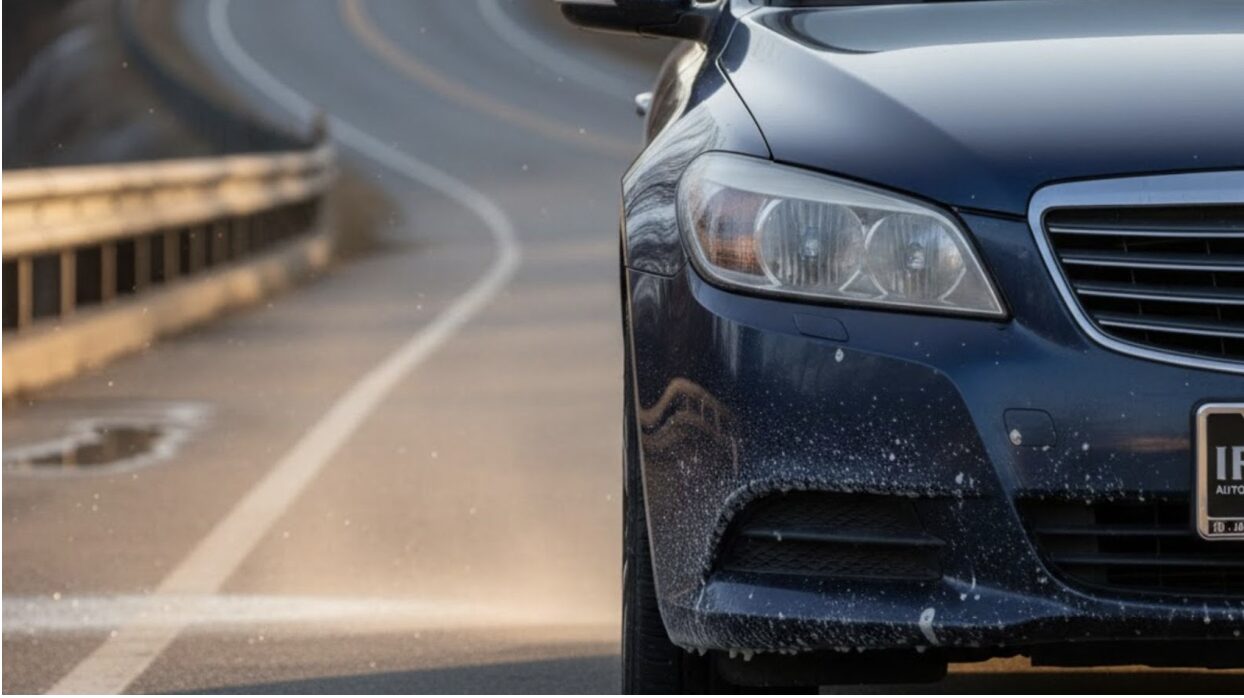
The short answer is absolutely yes. The substances used to de-ice roads across Buncombe County and the greater Asheville area are formidable enemies to your car’s exterior. Transportation crews rely on these products because they are effective at lowering the freezing point of water, preventing ice from bonding to the asphalt. However, the chemical makeup of these de-icing agents makes them incredibly destructive to automotive surfaces over time.
The Double Threat: Rock Salt and Brine
Modern road treatments primarily come in two forms, both of which pose distinct challenges to vehicle integrity. Understanding these two types helps illustrate why advanced protection is necessary for winter car protection NC drivers need.
- Rock Salt (Sodium Chloride): This is the traditional coarse salt that is spread on roads during and after precipitation. While effective, the solid crystals can be abrasive. When mixed with water and crushed by vehicle tires, it forms a slurry that adheres to the car’s undercarriage, wheel wells, and lower body panels. This physical grit, combined with the chemical corrosion, creates a compound wear effect.
- Liquid Brine: This preventative solution, a mixture of water and 23% salt, is sprayed onto roadways hours or even days before a winter storm hits. This pre-treatment method is highly efficient because it stops the ice from ever bonding strongly to the pavement. However, brine is a pre-activated corrosive agent. Because it is a liquid, it easily atomizes into a fine mist that settles into every microscopic crevice of your vehicle, including areas a quick wash might miss. This insidious liquid accelerates oxidation and rust formation rapidly, especially when temperatures fluctuate during freeze-thaw cycles common in the Appalachian Mountains.
Understanding the Damage: How Salt Attacks Your Vehicle
The chemical action of sodium chloride, whether in solid or liquid form, is straightforward: it seeks out exposed metal and paint imperfections to initiate a reaction called oxidation. This is the process we commonly call rust.
- Chemical Etching: Salt is a highly reactive substance. When it lands on your clear coat, it compromises the organic materials, causing microscopic pitting and etching. Even small amounts, if left untouched, can slowly degrade the protective lacquer on your paint.
- Moisture Retention: Salt is hygroscopic, meaning it attracts and holds moisture. By remaining on the vehicle’s surface, it ensures that water stays in contact with the clear coat and underlying paint layers for longer periods, significantly accelerating the entire corrosive process.
- Abrasive Wear: The physical act of driving over a salt-covered road kicks up particles that act like tiny pieces of sandpaper. This causes micro-scratches and swirl marks, thinning the clear coat and making it easier for moisture and chemicals to penetrate to the vulnerable base layers of paint and metal. This combination of chemical and mechanical damage demands a robust and permanent-like shield.
What Makes Modern Automotive Coatings Unique?

To combat the intense chemical and physical forces unleashed by winter driving, a simple layer of traditional protection is no longer sufficient. Modern vehicle protection has advanced far beyond conventional waxes, introducing a nano-level technology that fundamentally changes how the vehicle surface interacts with contaminants.
The Science Behind the Shield: The Nano-Technology Bond
A ceramic solution is a sophisticated polymer composed primarily of silicon dioxide ($\text{SiO}_2$) or similar silicates. When applied to a vehicle’s paint, it doesn’t just sit on top; it creates a semi-permanent, covalent bond with the factory clear coat. This deep, chemical cross-linking is the key to its exceptional durability and longevity.
- Covalent Bonding: Unlike wax, which is a temporary, physical layer that quickly degrades, the compounds in a coating bond at a molecular level with the paint’s surface. Once cured, this layer becomes an integral part of the car’s exterior, significantly increasing its hardness and resilience against external threats.
- Creating a Flat Plane: On a microscopic level, even pristine factory paint has tiny pores and peaks. The liquid solution fills and levels these imperfections, creating an extremely smooth, non-porous surface. This lack of texture makes it difficult for corrosive agents like salt or acidic environmental contaminants to gain a foothold.
The Magic of Hydrophobicity and Chemical Resistance
The most recognizable characteristic of a quality coating is its intensely hydrophobic nature. This is the characteristic that Asheville drivers observe when water rapidly forms tight, high-angle beads that swiftly roll off the surface, carrying dirt and grime with them.
- Water Repellence: The smooth, sealed surface repels water with great efficiency. This means snow, sleet, slush, and, most importantly, salt-laden brine cannot sit on the paint long enough to do serious damage. Instead, they sheet off, dramatically minimizing the dwell time of corrosive liquids.
- Chemical Resistance: The cured layer is highly resistant to corrosive chemical agents. Road salts, brake dust, acid rain, and harsh industrial pollutants that would quickly etch or degrade an unprotected clear coat have difficulty penetrating this dense barrier. This chemical defense is crucial for protecting the vehicle against the persistent attack of North Carolina’s de-icing mixtures.
Can a Protective Layer Truly Defend Against Road Salt?
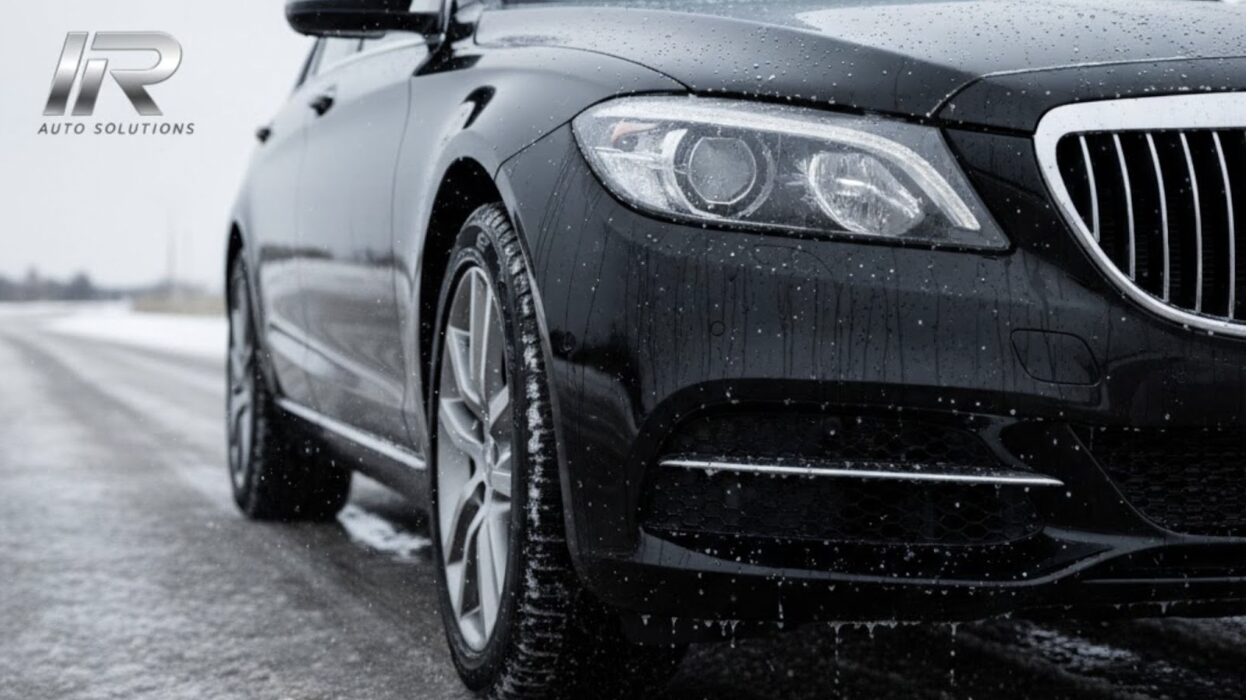
Yes, a professional-grade protective solution offers a verifiable and substantial defense against the corrosive effects of road salt and brine. It functions as a sacrificial layer that takes the brunt of the winter elements, ensuring the factory paint underneath remains untouched. This level of protection is often what separates a well-preserved vehicle from one showing premature signs of winter wear.
For those interested in understanding the full spectrum of vehicle protection options available, including how these modern technologies stack up, a detailed comparison can be very informative. You can learn more about the differences in longevity and performance by reviewing a comparison of protection types, which clearly shows why this advanced solution surpasses traditional methods. For superior protection in the Appalachian environment, investing in Ceramic Coating Asheville represents the most durable long-term strategy for car enthusiasts and daily drivers alike.
The Sacrificial Barrier Principle
The primary way these coatings protect the paint is by acting as a sacrificial layer. When abrasive road particles or corrosive brine hit the car, they are interacting with the hardened ceramic layer, not the soft, vulnerable clear coat.
- Wear Mitigation: Over years of normal driving, the ceramic layer slowly wears down, but the underlying paint remains preserved. This protection is what safeguards the paint from the constant abuse of salt damage prevention Asheville roads require.
- Reduced Friction: The slickness of the coating reduces the friction caused by ice scrapers, light brushes from car wash equipment, and debris hitting the surface, mitigating the chances of introducing swirl marks and light scratches that penetrate the clear coat.
Ease of Cleaning and Decontamination
One of the most practical benefits during winter is the ease of cleaning. Since contaminants struggle to adhere to the slick, hydrophobic surface, washing away the corrosive road film becomes much simpler and safer.
- Less Scrubbing: A quick rinse with a pressure washer or a simple hand wash is often enough to remove the salt and grime buildup. This minimizes the physical scrubbing required, which further reduces the risk of mechanical damage to the finish.
- Faster Drying: Because water sheets so quickly, the vehicle dries faster. This is especially important in cold temperatures where residual water can quickly freeze, potentially trapping contaminants or causing ice damage to the paint and trim.
The Professional Application Process: The Foundation of Durability
The performance of any protective layer is inextricably linked to the quality of its application. Many fail to realize that the coating itself is only half the story; the other half is the meticulous preparation of the surface before the product is even applied. The rigorous steps taken by experts ensure the coating bonds properly, cures fully, and delivers the maximum lifespan and protective qualities.
The Critical Pre-Installation Steps
The preparation phase is the most labor-intensive and critical part of the entire process. If the surface is not absolutely clean and defect-free, the coating will lock those flaws in, and its bond will be compromised, leading to premature failure.
- Decontamination Wash: This goes far beyond a standard car wash. It involves chemically dissolving and removing deeply embedded contaminants like tar, brake dust, and industrial fallout that are invisible to the naked eye but prevent a proper bond.
- Iron Removal: Specialized chemicals are used to remove ferrous (iron) particles embedded in the paint, often resulting from brake dust. If left untreated, these particles rust beneath the coating, causing damage.
- Mechanical Decontamination (Clay Bar): A specialized detailing clay is used to physically lift any remaining surface contaminants, leaving the paint feeling glass-smooth and ready for the correction phase.
- Paint Correction: This is arguably the most crucial step. Using precise polishing techniques, all existing swirl marks, light scratches, and oxidation are removed. This ensures the coating is applied to a pristine, high-gloss surface, not only maximizing the aesthetic result but also optimizing the coating’s molecular bond with the clear coat.
Why Expertise Matters: Curing and Environment
Applying the solution requires a controlled environment, specific tools, and a deep understanding of the product’s chemistry. DIY kits rarely achieve the level of professional results due to these complexities. For instance, if the coating is not leveled correctly before it cures, the results can be uneven and require costly removal and reapplication later. If the application is rushed, or the surface preparation skipped, the coating may fail to bond properly, leaving your car vulnerable to the very elements you were trying to guard against. Knowing how to identify improper work can save significant time and money. Learn how to spot the Signs of Bad Ceramic Coating Work before it becomes a major headache for your vehicle’s appearance.
Beyond Salt: Additional Benefits for Asheville Drivers
While protection against road treatments is a primary concern for drivers in Western North Carolina, the advantages of a professional coating extend throughout the entire year, offering comprehensive defense against diverse environmental hazards.
UV Protection and Paint Preservation
Even when the sun sits low in the winter sky, ultraviolet (UV) radiation is still present and actively damaging your vehicle’s finish. In the summer months, the high-altitude sun in the mountains can be particularly intense, accelerating paint fade and oxidation.
- Blocking UV Rays: The hardened layer acts as a strong UV filter, preventing the sun’s energy from reaching the clear coat. This is essential for preserving the deep, vibrant color of your paint and preventing it from becoming dull, chalky, or oxidized over time.
- Maintaining Finish Depth: By keeping the clear coat protected and free from micro-scratches, the finish maintains an incredible depth and gloss. This preservation of the original luster is a significant component in maintaining the vehicle’s aesthetic appeal for many years.
Ease of Maintenance and Snow Removal
One of the most immediate and satisfying benefits is the reduced effort required for washing and snow removal. This is where the hydrophobic properties truly shine in daily use.
- Fewer Washes Needed: While regular washing is still essential to remove abrasive salt buildup, the coating allows the vehicle to stay cleaner for longer periods because dirt and road grime struggle to stick. This means less time and effort spent maintaining the vehicle.
- Simplified Snow Clearing: Snow and ice have a much harder time sticking to the slick, low-friction surface. A quick brush or a gentle sheet of water often clears the vehicle far more easily than an unprotected surface, reducing the need for aggressive scraping that can cause scratches.
Maintaining Value and Appearance
A well-maintained exterior plays a direct role in the vehicle’s retained value. Buyers are willing to pay a premium for a car that looks new, and paint integrity is one of the first things assessed during a trade-in or resale. This comprehensive protection helps maintain the appearance that attracted you to the vehicle in the first place, ensuring long-term satisfaction. The incredible shine and deep reflections that professional Ceramic Coating Asheville services provide enhance the natural color and richness of the automotive paint, making the car a head-turner in every season.
Addressing the Investment: Value, Duration, and Warranties
It is true that the initial investment in a professional coating is higher than simply applying a wax or sealant. However, this is an investment in durability and time-saving, not just a product purchase. When analyzing the cost, it is crucial to consider the lifespan of the treatment and the cost of maintaining an unprotected vehicle over the same period. IR Auto Solutions provides a variety of packages designed to match different needs and budgetary requirements, all backed by a commitment to quality and lasting performance.
The longevity of modern protective applications is one of their most compelling features. You are essentially purchasing multi-year protection, freeing yourself from the constant cycle of waxing and sealing that the corrosive winter elements demand. Knowing the full potential of your investment is crucial. For a comprehensive look at how long you can expect your vehicle’s protection to last under mountain conditions, you should consult an in-depth guide on Ceramic Coating Longevity in Asheville. This information helps you fully evaluate the value proposition.
| Protection Type | Typical Lifespan | Salt/Brine Resistance | Maintenance Frequency |
| Traditional Carnauba Wax | 4-8 Weeks | Poor (Degrades rapidly) | Monthly |
| Synthetic Paint Sealant | 4-12 Months | Moderate | Quarterly |
| Professional Coating | 3+ Years | Excellent | Annual Inspection/Wash |
Calculating the Long-Term Cost Savings
When factoring in the time and money spent on buying waxes, paying for frequent car washes in the winter, and the potential cost of having paint corrected (or even repainted) due to salt-induced damage, the long-term economic argument for a permanent solution becomes clear. A protected vehicle simply requires less maintenance and retains a higher resale value due to its pristine condition. Understanding the economic argument is key to justifying the higher upfront cost. To fully analyze the financial implications of this advanced protection, you can explore detailed breakdowns of the Ceramic Coating Cost in Asheville and how it correlates to long-term ownership savings.
Long-Term Care: Maximizing Your Winter Car Protection NC
A ceramic coating is not a magic force field that eliminates the need for maintenance, but it dramatically simplifies the process and protects your clear coat from the negative consequences of neglecting your wash routine. Think of it as a significant upgrade to your paint that demands appropriate, yet simplified, care.
Essential Winter Washing Techniques
Regular cleaning is paramount during the winter to remove accumulated salt. Allowing brine and salt crystals to sit on the surface for extended periods can eventually challenge even the hardest, most professional coatings.
- Frequency: Aim to rinse your vehicle at least once every two weeks, or immediately after a heavy period of driving on freshly treated roads. If you notice a thick layer of white residue, that is salt that must be removed.
- The Right Soap: Always use a pH-neutral car shampoo. Harsh chemicals or aggressive detergents found in some commercial car washes can slowly degrade the coating’s structure and reduce its hydrophobic properties.
- Microfiber Only: When performing a contact wash (hand washing), use only soft, high-quality microfiber wash mitts and drying towels. This prevents the introduction of new swirl marks and ensures the smooth, glass-like finish remains intact.
Snow and Ice Removal Best Practices
Proper technique when removing snow is essential to prevent mechanical damage to your coating and paint. Never use abrasive tools, and be mindful of what you are dragging across the surface.
- Avoid Scrapers on Paint: Never use an ice scraper directly on the paint surface, even if the coating is present. Use a soft-bristled brush or, ideally, a snow foam cannon and gentle water pressure to melt or move light snow and ice.
- Gentle Technique: When removing heavy snow, push the bulk of the snow off the car with a soft foam brush or gloved hand, always being conscious of the force you apply. The incredibly slick surface makes the snow slide off much more easily than an unprotected vehicle.
Choosing a certified installer ensures that you get a product that is designed for the harsh elements of the region. As a top choice for vehicle enthusiasts seeking exceptional results, IR Auto Solutions is committed to providing lasting quality and full protection. They offer specialized maintenance products that are specifically formulated to clean and rejuvenate the coating, ensuring its performance is maximized through every winter season and beyond.
Frequently Asked Questions About Year-Round Vehicle Defense
Drivers often have specific questions regarding how advanced protective solutions handle the real-world conditions experienced in the mountain region. Here are answers to some of the most common inquiries we receive regarding long-term paint defense.
Does ceramic coating really prevent all scratches and rock chips?
No, a quality coating significantly enhances the hardness and scratch resistance of your clear coat, but it is not impenetrable. While it provides excellent defense against light surface scratches, swirl marks from improper washing, and minor abrasions, it cannot fully stop damage from heavy impacts like a large rock chip or a key scratch. For complete impact defense, a Paint Protection Film (PPF), often called a clear bra, is the preferred solution. The best vehicle owners often combine PPF on high-impact areas (like the bumper and hood) with a ceramic solution over the entire vehicle for the ultimate combination of defense and hydrophobic properties.
How soon after application can I drive on treated roads?
The curing time is critical to the durability and hardness of the coating. Most professional-grade coatings require a period of time, typically 24 to 72 hours, before they are fully resistant to water and chemicals. Your installer will advise you on the exact curing period. During this time, it is vital to keep the vehicle dry and away from all road contaminants. Ceramic Coating Asheville professionals adhere strictly to these curing requirements to ensure the product’s warranty is valid and the coating achieves its maximum potential hardness before its first encounter with brine.
Is it possible to apply a ceramic coating in the winter months?
Absolutely. The application of a professional solution is done in a climate-controlled facility, independent of the external weather conditions. The key factors—temperature and humidity—are regulated internally to ensure the correct flash time and optimal curing of the product. While you will need to take extra care during the initial curing period once you take the car home, the coating process itself is routinely performed year-round. This means you don’t have to wait for spring to secure your much-needed protection. If you’re ready to shield your vehicle from the harsh realities of winter, reach out to us directly to schedule your appointment.
Will a ceramic coating protect my wheels and glass, too?
Yes, specialized versions of the solution are available and highly recommended for other exterior surfaces. Coatings designed for wheels are particularly popular because they resist brake dust adhesion and make the grueling job of cleaning intricate wheel designs much easier. On glass, a coating creates an ultra-hydrophobic surface that dramatically improves visibility during rain and snow, as water beads and rolls off the windshield easily, often eliminating the need for wipers at highway speeds. Protecting these components is just as important as protecting the paint.
What should I use to wash my car after it is coated?
The best products to use are mild, pH-neutral soaps designed for coated vehicles, as these will not break down the chemical structure of the protective layer. You should also utilize dedicated coating maintenance sprays (often called “boosters”) every few months. These products are formulated to revive the hydrophobic properties and add a temporary sacrificial layer, ensuring the core coating remains at peak performance. Avoid any products containing abrasive compounds, waxes, or harsh solvents.
Ceramic Coating Asheville is truly the gold standard for preserving your investment. It offers a level of defense that is simply unmatched by traditional paint care products.
Conclusion: A Clear Choice for Lasting Vehicle Preservation
The unique weather patterns and aggressive road treatments, particularly the prevalent use of salt brine, make vehicle protection an absolute necessity for drivers in Western North Carolina. Traditional defense methods like wax cannot withstand the persistent chemical attack of winter conditions and the mechanical abrasion of road debris. A professional-grade ceramic application is the only product that bonds directly with your vehicle’s clear coat, forming a semi-permanent, chemically resistant, and hyper-hydrophobic shield. This defense minimizes the corrosive effects of salt, simplifies cleaning, and significantly preserves the aesthetic and monetary value of your investment for years to come. For drivers who demand the highest level of care for their vehicles and seek comprehensive salt damage prevention Asheville solutions, the choice is clear. Reach out to IR Auto Solutions today and secure the lasting defense your vehicle deserves before the next winter storm rolls in.