The majestic mountains and lush greenery of Asheville, North Carolina, provide a stunning backdrop for driving, yet this beautiful environment presents unique and rigorous challenges for vehicle exterior surfaces. You have invested time, effort, and money into your vehicle, and protecting its paint finish is essential for maintaining its value and aesthetic appeal against the relentless elements. While many protective solutions exist, the chemical bond created by a professional-grade coating offers unparalleled defense. The most common question we hear is exactly how long this advanced polymer will endure when constantly battling the specific moisture, temperature swings, and road debris of Buncombe County. Understanding the true lifespan of a protective layer in our specific region—especially when talking about a premium service like Ceramic Coating Asheville—requires looking far beyond a generic manufacturer’s estimate. This is an investment that needs to withstand the high-altitude sun, sudden temperature drops, and the corrosive nature of winter road treatments, ensuring your car maintains its pristine condition for years to come.
What Factors Determine How Long a Ceramic Application Really Lasts on a Car?
The lifespan of this revolutionary vehicle protection system is rarely a fixed number; instead, it is a spectrum influenced by three primary variables: the quality of the product, the meticulousness of the preparation, and the ongoing maintenance routine. When these three elements align perfectly, you can expect protection that lasts significantly longer than the temporary solutions many car owners rely on. When considering the ceramic durability Asheville residents require, it’s crucial to look for formulations that feature a high concentration of Silicon Dioxide. This is the primary component that bonds with the clear coat, forming a sacrificial layer that is incredibly hard and chemically resistant. Some professional systems also integrate elements like Titanium Dioxide or even proprietary polymer blends to enhance hardness and flexibility, which is particularly important for handling the temperature fluctuations common in the foothills.
The Chemical Foundation and Tiered Protection
A professional-grade coating is a multi-stage, liquid polymer that, once cured, becomes a durable glass-like shield. The $\text{SiO}_2$ found in these formulations creates a covalent bond with the vehicle’s clear coat, which is why it is considered semi-permanent and cannot be washed or chemically stripped away by normal means. The coating’s thickness is often measured in microns, and the complexity of the formulation dictates its longevity. A typical retail or do-it-yourself (DIY) product may only offer a 1-2 year lifespan because it contains lower concentrations of the active bonding agents or is designed for easier, less critical application.
| Coating Grade | SiO₂ Concentration (Approx.) | Expected Lifespan (General) | Key Benefit |
| Consumer/DIY | 10% – 30% | 6 Months – 1.5 Years | Ease of application, budget-friendly entry. |
| Professional Mid-Grade | 50% – 70% | 2 Years – 4 Years | Strong chemical resistance, high gloss, moderate durability. |
| Professional Premium | 80% – 95% + | 5 Years – 7 Years + | Maximum hardness, exceptional durability against abrasion and chemicals, often warranty-backed. |
The Critical Role of Surface Preparation
The longevity of the coating relies entirely on its ability to bond directly to the paint’s clear coat. Any contaminant, oil, or imperfection on the surface will act as a barrier, causing the coating to bond weakly or, worse, to the contaminant itself. This is why the preparation process often takes significantly longer than the actual application of the coating. At IR Auto Solutions, we view surface preparation as the single most critical factor; it’s the difference between a coating lasting three years and one lasting seven years. This detailed work involves multiple steps of cleaning and correction, ensuring a clean, perfectly smooth canvas.
How Asheville’s Mountain Climate Challenges Paint Protection
Asheville’s location in the mountains means your vehicle is exposed to a unique combination of high-intensity environmental stresses that degrade a coating much faster than they would in a moderate, flat, coastal climate. The cumulative effect of these daily environmental assaults is what primarily determines your actual coating lifespan NC residents can expect. We must account for the sun’s power, the persistent moisture, and the necessary but corrosive elements used to treat winter roads.
The Impact of High-Altitude UV Exposure
The Appalachian Mountains, while beautiful, elevate vehicles closer to the sun’s rays. For every 1,000 feet of elevation gain, the intensity of Ultraviolet (UV) radiation increases. Asheville sits at an elevation of roughly 2,130 feet, meaning the UV exposure is greater than at sea level. UV radiation is the primary culprit in paint degradation, causing oxidation, fading, and deterioration of the polymer structure of the clear coat.
The protective coating acts as a UV blocker, sacrificing itself to shield the clear coat underneath. However, the constant, intense barrage of high-altitude UV slowly breaks down the molecular structure of the coating itself. Parking indoors or in shaded areas is one of the best ways to mitigate this specific type of high-intensity sun damage, preserving the integrity of the coating for a longer period. This type of environmental defense is precisely what justifies the investment in Ceramic Coating Asheville services.
Humidity, Rain, and Acidic Fallout
Asheville experiences high average rainfall and humidity, especially during the spring and summer months. While the hydrophobic nature of the coating repels water, the combination of humidity and atmospheric pollutants creates a risk of water spotting or mineral etching. Rainwater collects air contaminants, often turning acidic. When water evaporates quickly in the sun, it leaves behind concentrated mineral deposits (calcium, magnesium) and acidic residues that can etch into the coating if not promptly removed.
Regular rainfall and high humidity also mean that surfaces stay wet for longer, providing more time for chemical reactions to occur. This persistent moisture works slowly to break down the coating’s surface tension, reducing its ability to bead water effectively over time. In highly humid environments, proactive and proper drying after every wash or rain event is essential for maximum longevity.
One of the biggest concerns for drivers who want protection for their investment is understanding the difference in longevity and performance between the temporary products and a durable, chemically bonded coating. When you review the benefits offered by a professional polymer application versus traditional products, you immediately see the appeal. The superior hardness and chemical resistance inherent in the coating are simply unmatched by the simple layer of protection offered by traditional materials. To learn more about how these options stack up, we highly recommend reading our detailed breakdown of Ceramic Coating vs. Wax and Sealants. This comparison illustrates why a coating is a long-term investment rather than a short-term, recurring chore.
Winter Threats: Road Salt and Freezing Cycles
Winter in Western North Carolina brings the unique threat of road salt and de-icing chemicals. These substances are highly corrosive and are designed to aggressively break down ice and snow. Unfortunately, they are equally effective at attacking any unprotected surface, including the clear coat and, eventually, a protective layer. The constant cycle of freezing temperatures followed by thaw causes the vehicle’s surfaces to expand and contract. This mechanical stress further challenges the bond and flexibility of the coating. The road salts accelerate the process of decay, making a robust, weather-resistant car protection layer non-negotiable for anyone who drives their vehicle year-round in the region. Prompt rinsing of road salt is vital, even if it’s just a quick pressure washer spray at a self-serve wash bay.
Why Surface Preparation Determines Ceramic Coating Longevity
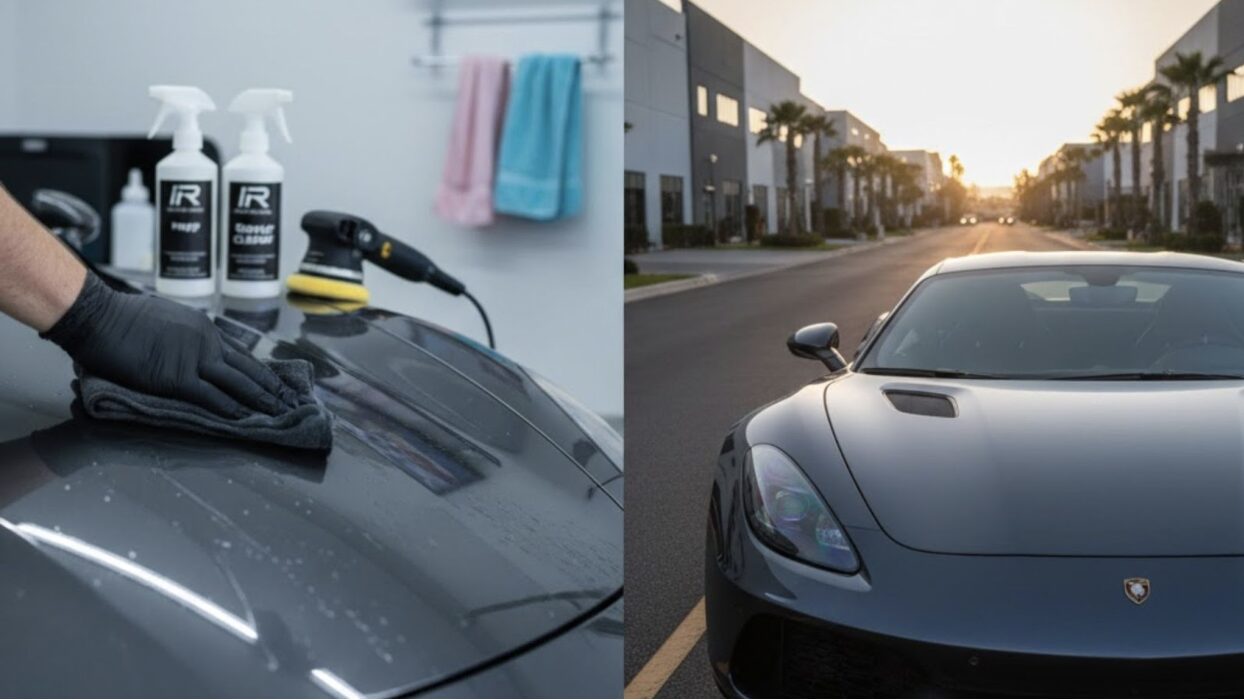
The application process is more than just wiping on a liquid; it is a multi-step restoration of the paint’s clarity and smoothness. Skipping even one stage can cut the coating’s lifespan in half. This preparatory work must be performed in a climate-controlled environment, which is why professional detailers like IR Auto Solutions dedicate significant time and resources to this crucial phase.
Chemical and Mechanical Decontamination
Before the coating can be applied, the vehicle’s paint must be surgically clean. This involves two steps:
- Chemical Decontamination: Specialized iron-remover chemicals are sprayed onto the paint to dissolve microscopic ferrous metal particles (brake dust, rail dust) that have become embedded in the paint surface. These contaminants are invisible to the naked eye but prevent a proper bond.
- Mechanical Decontamination: A clay bar treatment is used next, which safely lifts any remaining bonded contaminants like tree sap, overspray, or road grime. The paint surface should feel as smooth as glass before moving to the correction stage.
The Non-Negotiable Step of Paint Correction
Paint correction is the process of machine polishing the paint to remove minor swirl marks, light scratches, and oxidation that have accumulated over time. When the coating is applied, it essentially seals in the surface condition beneath it. If the paint is dull or scratched, the coating will simply make those imperfections more visible and permanent. This step is not just about aesthetics; it also ensures maximum surface area contact for the coating to bond, thereby maximizing its lifespan and performance. The quality of this step is so important that if it is performed poorly, the entire coating job is compromised, which is why we often caution customers against inexperienced providers. If you have any doubt about the quality of the work being performed, we have put together a guide detailing the Signs of Bad Ceramic Coating Work so you know exactly what to look for and avoid.
Understanding Your Options for Weather-Resistant Car Protection
A major reason why coatings have gained popularity is their fundamental difference from traditional wax and sealant products. This comparison helps illustrate why a higher initial investment delivers superior long-term value, especially in a dynamic weather climate like Asheville’s.
| Feature | Carnauba Wax | Synthetic Paint Sealant | Professional Ceramic Coating |
| Protective Bond | Mechanical (Sits on surface) | Mechanical/Light Chemical | Covalent (Chemically bonds to clear coat) |
| Typical Durability | Weeks (1-3 months) | Months (6-12 months) | Years (2-7+ years) |
| Chemical Resistance | Low (Washed away easily) | Moderate (Resists some detergents) | High (Resists low pH acids and high pH detergents) |
| Hardness/Scratch Resistance | None | Minimal | Significant increase in surface hardness (measured in H) |
| Water Beading/Hydrophobics | Good, but short-lived | Very Good | Exceptional, long-lasting sheeting and beading |
The choice between these options comes down to your tolerance for maintenance and your desire for long-term protection. While a sealant offers more durability than a traditional wax, it still relies on a temporary polymer layer that degrades quickly under harsh chemicals, intense sun, or road salt. Only the professional coating offers a genuinely permanent structural change to the clear coat’s surface, providing truly robust ceramic durability Asheville vehicles need.
Extending Your Coating Lifespan: The Essential Maintenance Routine
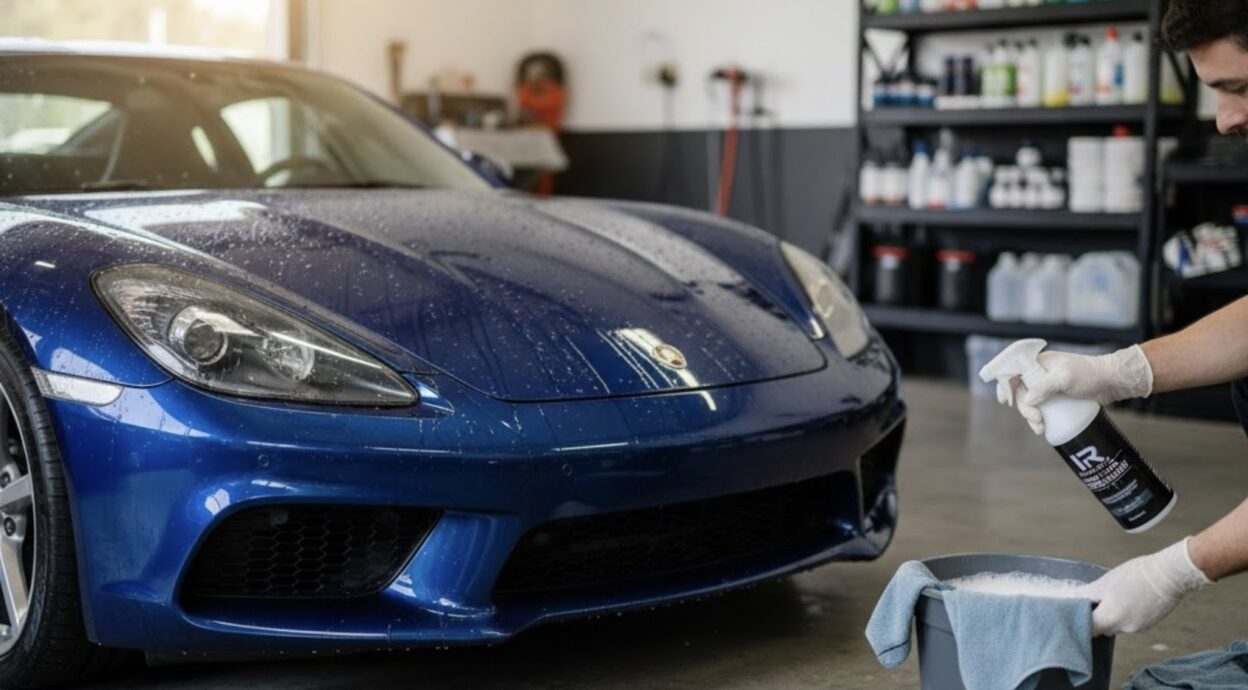
Even the toughest coating requires proper maintenance to reach its maximum lifespan. This is not high-effort maintenance, but it does require adherence to specific practices to protect the chemical integrity of the surface. Ignoring these simple steps can significantly reduce the Ceramic Coating Asheville lifespan, regardless of the quality of the application.
Proper Washing Techniques
The most significant threat to a coating is not the environment but improper washing. Abrasive materials and harsh, non-pH-neutral chemicals will quickly degrade the top layer, diminishing the hydrophobic effect and the overall protection.
- Frequency: Wash your vehicle regularly, ideally every two to four weeks. This prevents the long-term bonding of contaminants like bird droppings, insect splatter, and tree sap, which are acidic and can etch the coating if left on too long.
- Method: Always use the two-bucket method (one for soapy water, one for rinsing the wash mitt) along with a pH-neutral car shampoo. Soaps with high alkalinity or strong detergents can prematurely wear down the coating.
- Avoid: Never use automatic car washes that utilize abrasive spinning brushes, as these can cause micro-marring and scratches on the coating’s surface. Touchless washes are acceptable in a pinch, but a careful hand wash is always preferred.
Using Maintenance Boosters and Toppers
To keep the hydrophobic properties of your coating performing at their peak, a periodic boost is highly recommended. These ceramic-infused detail sprays or toppers are chemically designed to bond temporarily with the existing coating, refreshing its water-repellent qualities and gloss. Applying a booster every 3 to 6 months—particularly after a full decontamination wash—will significantly reinforce the coating’s protective capabilities. This simple step helps maintain that ‘just applied’ look and ensures your investment continues to repel dirt and water effortlessly. For all your maintenance needs and high-quality ceramic-safe products, we always recommend checking with IR Auto Solutions to ensure you are using compatible products that support the coating’s longevity.
Dealing with Tough Contaminants
In the Asheville area, sap and bird droppings are common problems, especially when parking beneath the many mature trees downtown or on wooded property. These organic materials are highly acidic. If you find any tough contaminants, they should be removed as soon as possible, ideally within 24 hours. Use a dedicated quick detailer spray and a soft microfiber towel, allowing the spray to soak into the contaminant for a minute before gently wiping it away. Never aggressively scrub the surface, as this can induce swirls and scratches.
Considering the Complete Spectrum of Longevity
When we talk about the expected lifespan of a professional-grade coating, we must categorize it based on the vehicle’s use, which directly correlates to the intensity of environmental and mechanical wear. This distinction is vital for setting realistic expectations for our Asheville clientele.
Vehicle Usage and Expected Life
| Vehicle Use Category | Exposure Level | Expected Coating Lifespan (Professional Grade) | Maintenance Frequency |
| Garage Queen/Show Car | Low/Controlled | 5 – 7+ Years | Minimal (Semi-Annual Detail) |
| Weekend Driver | Medium/Moderate | 4 – 6 Years | Low (Monthly Wash, Annual Decon) |
| Daily Driver (High Mileage) | High/Constant | 2 – 4 Years | Medium (Bi-Weekly Wash, Quarterly Boost) |
| Work Truck/Off-Road | Extreme/Harsh | 1.5 – 3 Years | High (Weekly Wash, Prompt Contaminant Removal) |
A daily driver that sees the relentless sun on I-26, is exposed to road brine on the Blue Ridge Parkway in winter, and sits outside during the workday will naturally see the coating degrade faster than a vehicle stored indoors and driven only on sunny weekends. The coating is a sacrificial layer, and the harder it works to protect the clear coat, the sooner it will need a professional reapplication.
Is the Investment Worth It for Long-Term Protection?
While the initial cost of a professional application is significantly higher than a tube of wax or sealant, the value proposition lies in the long-term savings and superior protection. When evaluating the overall expense, you need to consider the recurring cost, effort, and time required to maintain a glossy finish without a durable layer. The value of the coating is realized through the time saved on washing and detailing, the reduced need for aggressive cleaning chemicals, and, most importantly, the preservation of your vehicle’s factory paint finish.
If you consider the annual expense of repeatedly purchasing and applying high-quality wax or sealants, the multi-year durability of a coating provides compelling long-term value. Furthermore, the enhanced resale value of a vehicle with a paint finish that has been protected from the effects of UV rays and environmental etching often far outweighs the initial investment. Understanding the different packages available and what each includes is vital for making an informed decision about the appropriate level of protection for your vehicle. We encourage you to explore all the details regarding the packages and preparation standards involved in a premium service by visiting our dedicated page on Ceramic Coating Cost in Asheville.
Choosing the Right Application Partner in Western North Carolina
The durability and performance we have discussed hinge entirely on the skill and environment of the detailer. Because the coating bonds at a molecular level, the preparation, environment control, and technique are more critical than the product itself. An improperly prepped surface or an application performed in a dusty or humid environment will lead to immediate defects and dramatically reduced lifespan. This often manifests as uneven curing, high spots, or premature failure.
A reliable service provider will always perform paint correction and decontamination as mandatory steps before application. They should also operate in a dust-free, temperature-controlled bay with high-intensity lighting to ensure every imperfection is addressed before the final layer is sealed in. When you are ready to explore the best way to safeguard your vehicle against Asheville’s challenging weather and ensure its longevity, we invite you to contact us directly. The skilled and certified professionals at IR Auto Solutions are dedicated to providing the highest quality application standards in the region.
The Long-Term Value of Vehicle Protection
The decision to apply a durable, advanced polymer layer is truly a commitment to the long-term preservation of your vehicle’s exterior. While the manufacturers of the raw product may provide ideal estimates for longevity, the real-world performance is a test against the specific environment your vehicle faces daily. For drivers in this region, that test is particularly tough, challenging the coating with mountain elevation, seasonal temperature extremes, and the specific contaminants of a dynamic mountain city. By choosing a professional application and committing to a simple, ongoing maintenance routine, you are maximizing the lifespan of the material and, more importantly, maximizing the life and value of your vehicle’s paint. For those seeking the gold standard in protective solutions, partnering with IR Auto Solutions for Ceramic Coating Asheville service is the most effective way to achieve guaranteed, long-term brilliance and defense.
Frequently Asked Questions (FAQs)
Here are some of the most common questions our clients ask regarding the application and care of their coated vehicles:
How soon after application can my car get wet?
The initial curing process begins immediately, but the coating needs time to fully harden and establish its permanent bond. We generally recommend avoiding water, rain, and washing for the first 5 to 7 days after application. Exposure to moisture during this critical time can interrupt the curing process, leading to water spots that become extremely difficult to remove.
What are the disadvantages of applying a protective layer to my car?
The main drawbacks are the initial cost and the requirement for professional application. A high-quality application is a significant upfront investment, and the process is time-consuming because of the mandatory, multi-stage paint preparation. Additionally, the coating is not impervious to deep scratches or rock chips; it acts as a sacrificial layer against environmental contaminants, not a shield against physical damage.
How often should I wash a vehicle with a protective coating?
Regular washing is crucial. You should aim to wash your vehicle every two to four weeks. The coating’s hydrophobic properties make cleaning much easier, but allowing dirt, grime, and acidic contaminants to sit on the surface for extended periods can eventually degrade the performance and longevity of the material.
Will the coating prevent all scratches and swirl marks?
No, the coating does not make your paint scratch-proof. It provides a significant increase in surface hardness and scratch resistance, protecting against minor wash-induced swirling and fine micro-marring that often plague unprotected paint. However, it will not prevent deep scratches, impacts from road debris, or damage from abusive washing techniques.
Does the protective layer require special soaps or maintenance products?
Yes, using the right products is mandatory for longevity. You must only use pH-neutral car wash soaps that are specifically formulated to be safe for a protective layer. Avoid any soaps that contain wax, strong solvents, or harsh detergents, as these can strip or degrade the top layer of the coating over time. Periodic use of a ceramic-safe maintenance booster is also highly recommended.