Ceramic Coating Asheville is supposed to deliver showroom gloss, durable protection, and reliable hydrophobic performance, but when the job is done poorly the results are obvious and frustrating. From visible high spots and hazy patches to weak water beading and peeling edges, poor ceramic coating applications undermine the finish and can shorten the service life of the protection. This guide explains how to spot a bad application, why these defects happen, what each sign means for your paint, and the realistic corrective steps whether you live in Asheville or are considering service options in the region.
When a ceramic coating is applied correctly it chemically bonds to the paint, creating a thin, glass-like layer that resists UV, contaminants, and light scratches while enhancing gloss. A failed application doesn’t just look wrong; it compromises that chemical bond and the protective benefits you paid for. Understanding the early warning signs helps you decide whether a rework, professional correction, or full strip-and-reapply is necessary.
How to tell visual quality problems from environmental effects
Distinguishing an application defect from temporary environmental effects is the first step. A thin layer of dust, morning dew, or temporary water spotting can simulate defects, but genuine application issues persist after a careful wash and inspection. If issues remain after proper cleaning and gentle inspection under good lighting, they likely stem from the application process or product quality.
Why surface prep matters more than people assume
Most ceramic coating failures trace back to inadequate surface preparation. Paint correction, decontamination with clay and iron removers, and a final wipe with an isopropyl alcohol (IPA) surface prep are essential. Skipping any of these invites oils, wax residues, or embedded contaminants to block adhesion, which leads to weak hydrophobic performance, peeling, and early ceramic coating defects.
What does a bubbling coating or popcorning look like and why does it happen?
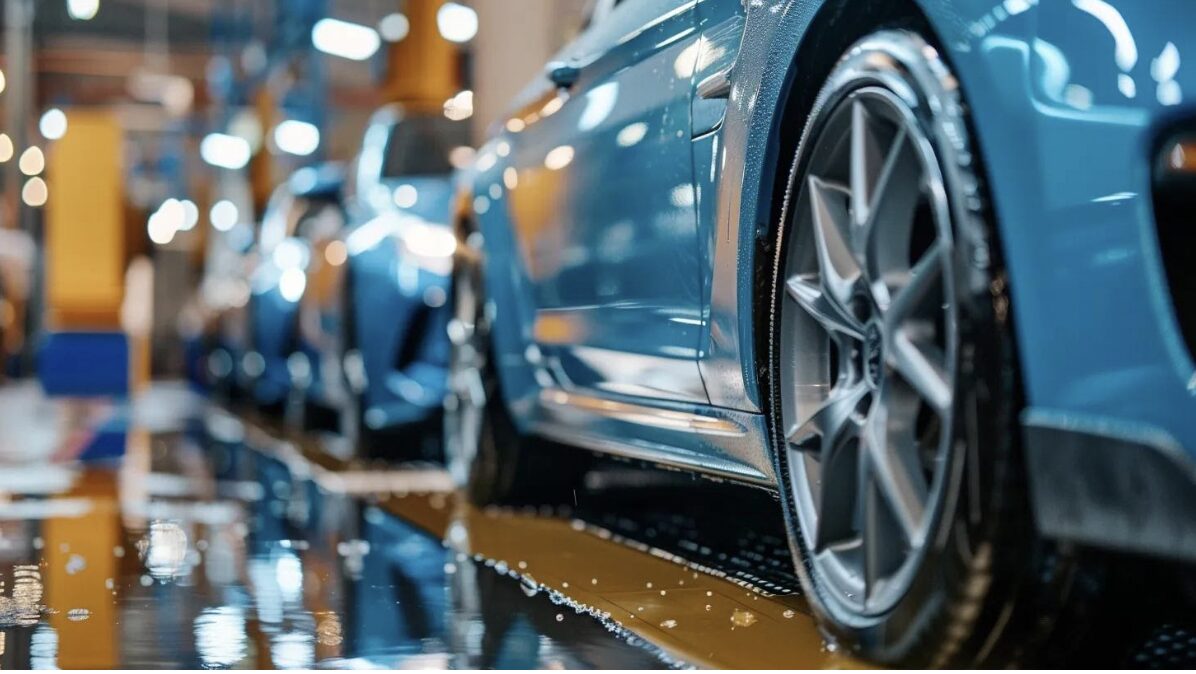
Bubbling coating, often called “popcorning,” appears as small raised bumps or blisters in the coating film and is one of the unmistakable signs of poor application. This defect occurs when moisture, trapped solvents, or contaminants vaporize beneath the curing layer, forcing the coating to lift. In some cases high humidity during application or curing, or insufficient flash/buff timing, causes the trapped solvent to expand and form visible bubbles.
A bubbling coating impacts more than appearance because each blister is a weak point where the coating can delaminate or trap contaminants that will permanently stain the paint. Correcting this usually requires stripping the failed layer, re-prepping the paint thoroughly, and reapplying in a controlled environment to prevent recurrence.
How curing conditions and environmental control affect outcomes
Coatings cure by a chemical reaction that depends on temperature, humidity, and air movement. High humidity and low temperatures slow curing and increase the chance of haze, milky finishes, and trapped moisture; extremely high temperatures can make leveling difficult and accelerate skin-over, causing high spots. Experienced technicians control the environment or schedule work for ideal conditions to minimize issues.
What does an unprofessional application look and feel like?
An unprofessional application shows in multiple small errors that add up: streaks from poor leveling, visible high spots, uneven gloss, and inconsistent water beading across panels. Technicians who rush, use the wrong applicators, or do not buff off excess product within the manufacturer’s window produce these results. Unprofessional application also often means incomplete coverage in hard-to-reach areas like door jambs, around badges, or in panel seams, leaving those areas vulnerable while other panels appear protected.
You can sometimes feel defects by running a clean finger across the paint after a full wash; hardened high spots feel slightly tacky or rough when contrasted with properly coated, silky-smooth surfaces. When unprofessional application is present, the coating will not perform uniformly and will degrade faster where adhesion is compromised.
How to identify ceramic coating defects by inspection and simple tests
Start with a thorough wash to remove superficial contaminants that can hide or mimic coating problems. Use proper lighting—sunlight or LED detailing lights—to inspect for hazing, streaking, and high spots. Spray a light mist of water over the panel and observe water behavior: a correctly applied ceramic coating will show tight beading and quick roll-off, while failed areas show sheeting, flat spreading, or irregular beading patterns.
Another useful test is the tape test on a small, inconspicuous area after confirming the coating is fully cured. If the coating lifts or the tape peels a film, adhesion failed. For many owners this is overkill, but reputable detailers rely on such checks in warranty disputes or post-application verification.
Quick comparison of common defects and likely root causes
| Defect | Visual/Physical Clue | Most Likely Cause |
|---|---|---|
| Hazy or cloudy finish | Milky appearance under light | Applied in high humidity or insufficient leveling |
| High spots / oily patches | Shiny, darker patches that catch light | Over-application or late wiping/buffing |
| Weak or no water beading | Water sheets instead of beading | Poor bonding from contamination or thin application |
| Bubbling / popcorning | Small blisters or raised bumps | Trapped solvent/moisture or improper curing |
| Peeling or flaking | Edges lifting, coating detaching | Inadequate surface prep or incompatible product |
How product choice and quality contribute to ceramic coating failures
Not all ceramic coatings are created equal. There is a wide range—from professional-grade SiO2-rich formulas designed for controlled application to inexpensive spray-on sealants that approximate ceramic effects. Lower-quality products may not cure to a hard, durable film or may contain additives that react poorly with certain paints. Even a high-quality coating fails if applied incorrectly, but cheap products magnify the risk of visible, persistent ceramic coating defects.
Professional-grade coatings also have specific application windows and dilution requirements. Installers familiar with the product’s working time, cure characteristics, and recommended environmental conditions avoid mistakes amateur installers commonly make.
Surface preparation workflow professionals follow to avoid defects
A correct prep workflow begins with a two-bucket wash using a pH-neutral shampoo, followed by mechanical decontamination like clay bar or iron fallout remover. Paint correction removes swirl marks and oxidation so the coating seals a smooth surface rather than locking in defects. After correction, a final wipe with an IPA or manufacturer-recommended surface prep removes polishing oils. Only once the paint is spotless and dry should a coating be applied. Professionals also mask trim and vulnerable plastics to prevent staining or buildup on non-paint surfaces.
Skipping or abbreviating any of these steps increases the chance of issues like poor adhesion, hazing, and bubbling coating.
Common application technique mistakes that cause high spots and streaks
High spots happen when excess product sits on the paint and is not leveled during the coating’s flash time. Buffing too early or too late creates either streaks or stubborn residue. Technique matters: consistent crosshatch application, small sections per pass, and immediate wiping with a clean microfiber towel are standard best practices. Using the wrong applicator pad material or contaminated towels also creates streaks and particle transfer, compromising the clarity of the finish.
Seasoned technicians work methodically, typically applying coating panel by panel under bright task lighting to spot and correct high spots immediately.
When peeling and flaking appear months after application
Peeling or flaking months after application is a sign that the coating never properly bonded to the paint. Causes include leftover waxes, silicone oils, or shop contaminants on the surface at the time of application. It can also be caused by incorrect product selection for specific OEM paints or paint protection film (PPF) incompatibilities. Weather exposure, harsh chemicals, and aggressive automatic car washes accelerate flaking on poorly adhered coatings.
If peeling occurs, professional removal and reapplication are usually required. Attempting to patch without stripping the failed layer rarely resolves the issue.
Paint damage risks and resale implications of a poor ceramic coating application
A failed coating can mask underlying paint issues or trap contaminants that cause long-term staining. If a coating begins to flake or trap environmental fallout, it can create etching or staining that requires aggressive correction. Buyers notice inconsistent gloss and localized defects, which can reduce resale value and complicate inspections. Investing in proper correction and reapplication protects both the car’s aesthetics and its market value.
Cost and effort to fix a bad ceramic coating
Minor issues such as localized haze or weak bead can sometimes be corrected with a light polish and a top-up coating, but severe defects like bubbling, widespread high spots, or flaking necessitate a full strip-and-reapply. The corrective process includes machine polishing to remove the failed coating and any surface contamination, thorough decontamination, and careful reapplication under controlled conditions. Costs vary based on severity and region, but professional correction is often less expensive long-term than repeated low-cost reapplications.
How to choose a reputable installer in Asheville
Look for installers who document their process: wash, decontamination, paint correction, surface prep, and controlled curing. Professional detailers will offer clear warranty terms and explain the product’s expected lifespan and maintenance routine. Request to see before-and-after photos taken under consistent lighting, and ask whether they use dedicated curing spaces or environmental controls. Technicians should plainly describe risks and confirm that they do not cut corners on prep or curing.
If you want a local starting point, a qualified shop will discuss maintenance plans, such as annual inspections and reinforcement coatings to preserve hydrophobic performance.
In a paragraph related to local service options, find details through Ceramic Coating Asheville that explain professional guarantees and clinic-style application procedures for regional climates.
Maintenance: what to expect and how to protect a properly applied coating
A good ceramic coating reduces wash frequency and simplifies maintenance, but it is not maintenance-free. Use pH-balanced car shampoos, avoid automated brush car washes, and perform gentle two-bucket washes. Periodic inspections and light maintenance polishes or booster sprays help maintain hydrophobic properties. If you encounter any irregular beading or clouding, consult the original installer before attempting aggressive remedies.
When planning maintenance, local climate factors such as mountain pollen, acid rain, and seasonal temperature swings in Asheville guide the recommended intervals for upkeep.
Here is a paragraph referencing complementary services like paint protection and aesthetic upkeep through Car Detailing Asheville NC as part of a holistic protection plan.
When to accept a reapply versus repair in place
If defects are limited to a few panels and are cosmetic, a targeted polish and spot reapplication may suffice. Widespread defects, especially peeling or bubbling coating, require full removal because patching leads to inconsistent optical appearance and protection. Technicians decide after a hands-on inspection; insist on seeing the removal and prep process if you choose reapplication to ensure the same mistakes are not repeated.
If warranty terms are in place, ask whether the installer covers corrective work and whether a reapply uses the same product or a different formulation to avoid prior incompatibilities.
What questions to ask before you commit to an installer
Ask which coating product they use, the exact prep steps they follow, curing times, and whether they guarantee against specific defects. Request environmental controls for curing and ask how hard-to-reach areas are handled. Learn the expected lifespan of the product under typical local conditions and whether a maintenance schedule is included. Request written warranty details and documented before-and-after lighting photos.
If you prefer an in-person demo, many shops will show you their workspace and tools so you can evaluate their level of professionalism and cleanliness.
If you need direct contact, use the simple link to Contact us to arrange an inspection or ask questions about their ceramic coating packages.
Case study summaries: common scenarios and outcomes
Scenario one: a rushed dealer-applied coating that showed hazy patches and poor beading. Outcome: professional removal, full paint correction, and reapplication using a higher-grade SiO2-rich coating restored durable gloss and consistent hydrophobic performance. Scenario two: a DIY kit applied in a humid garage produced high spots and mild bubbling. Outcome: spot correction was insufficient; a complete strip and professional reapply achieved the desired result. Scenario three: improper prep left polish oils under the coating, causing localized peeling months later. Outcome: the dealer covered part of the corrective cost once independent verification confirmed inadequate prep.
Each scenario underlines a recurring theme: proper prep, controlled application, and appropriate product selection are the keys to avoiding ceramic coating defects.
FAQs about signs of poor ceramic coating application
How can I quickly tell if my ceramic coating is failing?
A failing ceramic coating usually shows inconsistent hydrophobic behavior, visible hazing or cloudiness, high spots or oily residues, and eventually peeling or flaking. If water sheets instead of beading, or if glossy areas sit next to dull patches after a proper wash, the coating may be failing.
Is a milky or cloudy finish always a sign of a bad application?
Not always, but persistent milky or cloudy appearance after washing and drying typically indicates an application or curing issue, especially if the condition doesn’t improve in ideal weather and lighting. Environmental residues can sometimes cause temporary clouding, so confirm after a full decontamination.
Can I remove a bad coating myself?
Light, isolated issues might be addressed by a careful polish with the right pads and compounds, but most severe defects—especially bubbling and peeling—require professional removal to prevent paint damage and to ensure clean reapplication.
How long should a professionally applied coating last without issues?
A well-applied professional coating can last several years depending on the product and maintenance, but premature failure within months often points to poor prep or application technique rather than the product itself.
What maintenance will prolong the life of my coating?
Use pH-neutral shampoos, avoid abrasive automated washes, perform regular rinses, and follow periodic booster or maintenance polishes as advised by the installer. Scheduling annual inspections helps catch early signs of ceramic coating defects before they worsen.
Conclusion
If you suspect a poor-quality ceramic coating application—whether you notice bubbling coating, unprofessional application marks, or other ceramic coating defects—document the issues, avoid aggressive DIY fixes that might worsen the problem, and consult a reputable installer for diagnosis and correction. Proper preparation, correct product choice, and controlled application are non-negotiable steps for a lasting finish. For local, professional service options and to restore your vehicle’s protection and gloss, trust IR Auto Solutions to evaluate and correct coating problems and deliver a properly executed ceramic coating in Asheville that meets high standards and real-world durability.